




Choosing the right gear for temperature-sensitive logistics can be tricky. Many businesses struggle to understand if they need a standard insulated cooler bag or a specialized thermal option. Getting this right impacts everything from food safety to your brand’s reputation. This guide breaks down the technical differences so you can source the best solutions for your specific business needs.
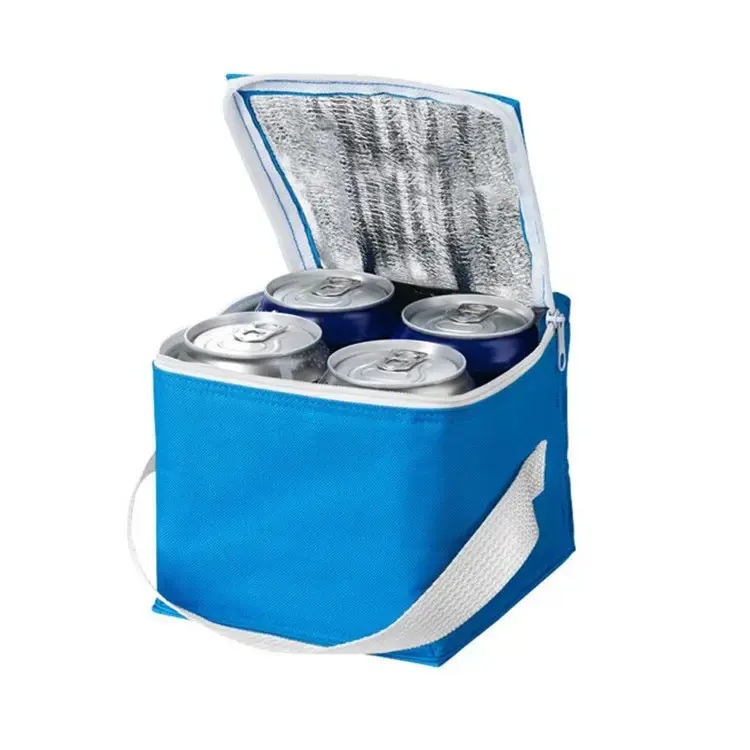
An insulated bag is essentially a barrier against the outside world. Think of it as a thick, protective wall for your cargo.
How They Function: These bags use thick layers of foam, batting, or hollow fibers to trap the air inside.
Primary Goal: Their main job is to slow down heat transfer, keeping the internal environment stable for as long as possible.
Common Materials: They often feature a durable outer fabric like polyester or nylon combined with a dense, insulating foam core.
Everyday Use: You see them everywhere, from simple grocery carriers to high-end cold storage cooler bag models used by professional delivery services.
A thermal bag is designed specifically for active temperature management. While they use insulation, they go a step further to manipulate how heat moves.
Reflective Technology: Most thermal bags include a reflective lining, often made of metallic film or aluminized PET, to bounce radiant heat away from the contents.
Active Efficiency: These are built for scenarios where you need to hold a specific temperature—like keeping a meal piping hot or ice cream frozen—for an extended period of time.
Specialized Utility: Because of their reflective properties, they are the go-to choice for highly sensitive transit, such as insulated pizza bags or specialized units for temperature-critical medical samples.
It is easy to lump coolers and insulated bags into one category, but the distinction matters for your operations and procurement margins.
| Besonderheit | Insulated Bags | Thermal Bags |
| Main Action | Slows heat movement (conduction) | Reflects and blocks heat (radiation) |
| Lining | Foam, batting, or air gaps | Metallic or radiant barrier film |
| Am besten für | Short-term temperature maintenance | Long-range or extreme temperature control |
| Typical Use | Groceries, lunch transport | Hot delivery, frozen goods |
The Insulation Factor: Every thermal bag utilizes insulation to maintain its structure, but not every insulated bag has a thermal reflective layer.
Performance Gap: When you need to keep contents at a precise temperature for multiple hours, the reflective barrier in a thermal bag is the key differentiator.
Your customers always ask, how long does an insulated bag keep food warm? The reality depends on several variables that B2B buyers must account for.
The Science of Retention: An insulated lunch bag keeps food warm by trapping the heat generated by the food itself and preventing it from leaking out through the walls.
Timeframes: A standard, high-quality insulated bag can typically maintain a safe temperature for 2 to 4 hours in room-temperature settings.
Umweltauswirkungen: If you are working in best lunch cooler for hot weather conditions, that time decreases significantly because the outside heat fights against the internal temperature.
Boosting Performance: Using external heat packs or ice packs drastically increases the “safe zone” duration, turning a standard bag into a high-performance logistics tool.
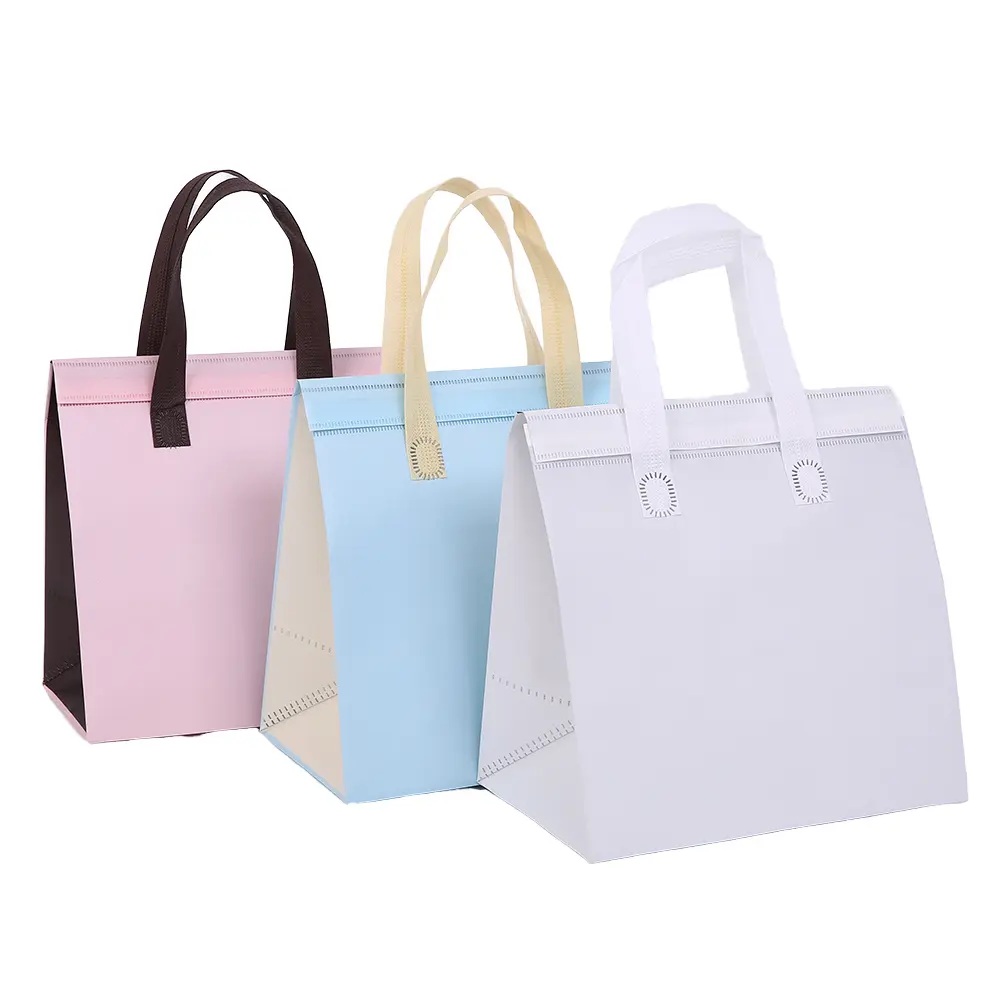
For businesses managing food or medical transit, an insulated delivery bag is a professional requirement, not just a simple accessory.
Zuverlässigkeit: Consistency is everything in delivery. A high-quality bag ensures that a meal arrives exactly as it left the kitchen.
Markenwahrnehmung: When your delivery team uses professional gear, it signals to your customers that your business cares about quality and safety.
Structural Integrity: These bags are often reinforced, protecting delicate items like cakes or fragile medical goods from being crushed during transit.
Check our collection: Browse our isolierte Kühltasche range to find options that fit your specific logistical requirements.
When the mercury rises, your gear needs to be up to the task. Here is what professional buyers look for:
Reflective Exteriors: For hot weather, bags with light-colored or reflective exteriors help bounce sun rays away before they can heat the bag’s interior.
Closure Mechanics: A zipper is almost always better than a Velcro flap for hot weather because it creates a near-hermetic seal, preventing air exchange.
Dual-Zone Design: If you are managing cold storage cooler bag needs alongside warm items, look for models with internal dividers that prevent heat crossover.
Comparing Options: For a deeper dive, check out our analysis on insulated cooler bag vs. hard cooler.
If you are sourcing for corporate gifts or retail, focus on these quality markers that end-users actually notice:
Easy-Clean Linings: The interior should be water-resistant and wipeable to handle inevitable spills during daily use.
Reinforced Seams: Stress points where the handle meets the bag should be double-stitched or reinforced with X-pattern stitching.
Ergonomic Comfort: A padded shoulder strap makes a huge difference if the user is carrying a heavy lunch during a long commute.
Efficiency Gains: Learn about the advantages of insulated freezer bags for more insights into how these features benefit your end-users.
Can I wash an insulated bag in the machine?
It is best to hand-wash with mild soap to protect the internal insulation structure.
Is a thicker bag always better for business?
Thickness helps, but density and reflective linings are often more important for professional performance.
How do I remove odors from the bag?
Wipe with a baking soda and water solution to neutralize lingering food smells safely.
Can I freeze an insulated bag?
No, extreme cold can make some outer fabrics brittle and prone to cracking over time.
What is the best way to store these bags?
Keep them dry and store them in a cool, ventilated area to prevent mold growth.
Understanding the difference between insulated and thermal technologies helps you make smarter procurement decisions. Whether you need an ice cream insulated bag or a heavy-duty delivery solution, quality and design are key to long-term success. Ready to elevate your business offerings? Contact ZHONGJIN today to find the perfect temperature-control solution for your needs!