




As a business leader, you’ve likely noticed that handing out thin, crinkly plastic is becoming a brand liability. Clients now expect more; they want to know your company isn’t contributing to the global waste crisis. The environmental impact of non-woven tote bags makes them the perfect B2B solution. They aren’t just a “green” trend—they are a rugged, common-sense tool that adds real value to your brand while protecting the planet.

To understand why أكياس غير منسوجة work, you have to look at the material science behind them. If you pick one up and rub the fabric between your fingers, it feels like a soft cloth, but it isn’t “woven” in the traditional sense with a loom and thread.
The Technical Breakdown: We take polypropylene (PP) fibers—a versatile and recyclable polymer—and basically “press” them together using heat or mechanical pressure. It creates a dense, high-tech web that looks like a fabric but behaves like a heavy-duty industrial shield.
The “Crosspoint” Strength: Because the fibers are bonded in a random, cross-hatched pattern, the material doesn’t have a “grain” that can easily rip. If you snag a traditional woven bag, the thread can unravel. If you poke a hole in a non-woven bag, the bond holds tight.
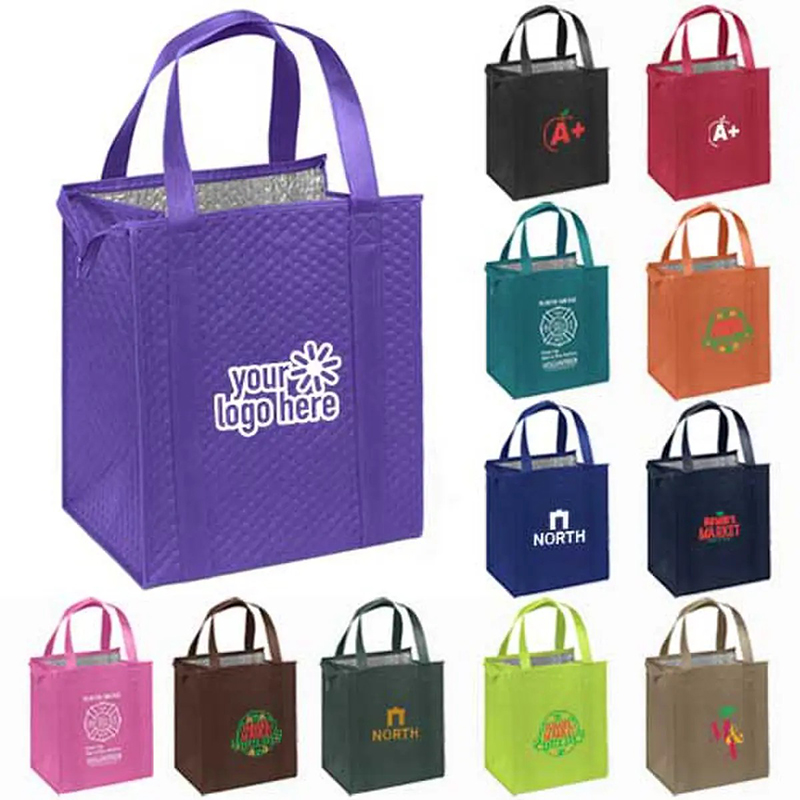
Industrial Utility for Your Business: This unique structure is why non-woven tote bags are the top choice for heavy-duty retail. They are light enough to fold into a pocket but strong enough to haul a dozen wine bottles or a stack of heavy trade show catalogs without the handles stretching or snapping.
The “behind-the-scenes” magic of these bags is much cleaner than traditional textile production. Many people assume that “natural” fibers like cotton are always better, but the industrial reality tells a different story.
Low Energy & Water Usage: Traditional cotton weaving is a thirsty process. It sucks up massive amounts of water and requires heavy electricity to run industrial looms. In contrast, the thermal bonding process used for non-woven tote bags skips these resource-heavy steps. By using heat and pressure instead of weaving, a factory can operate with significantly lower water consumption and a fraction of the electricity, keeping the overall energy bill for the planet much lower.
A “Zero-Waste” Production Loop: In a modern, sustainable facility, the production line is treated like a closed loop. When machines cut out a batch of custom non-woven tote bags, there are always leftover scraps of fabric. Instead of tossing these into a landfill, the standard practice for top-tier manufacturers is to melt those off-cuts back down into raw polypropylene pellets. These are then spun into new fibers and fed back into the start of the process. It is a “nothing-wasted” mindset that ensures almost every gram of raw material is put to productive use.
Safe, Non-Toxic Chemistry: Ethical manufacturing also means moving away from harsh chemical bleaches or toxic industrial dyes. High-quality sustainable promotional bags are printed using lead-free, non-toxic pigments that are safe for long-term skin contact. This ensures that when your business hands these out—whether at a children’s event or a food expo—they are as clean and safe as they are tough. This focus on “clean chemistry” is a vital part of the bag’s total carbon footprint reduction strategy.
The real win for the environment isn’t just how the bag is made—it’s how long it stays out of the trash. Sustainability is a game of lifespan, and non-woven bags are built to win.
The “1-for-100” Rule: The core environmental impact of non-woven tote bags is their massive reusability. Research shows that one single, high-quality non-woven bag can replace over 100 thin plastic sacks. That is 100 pieces of litter that your business has effectively “erased” from the environment by providing one durable alternative.
Weather-Proof and Life-Proof: Unlike paper bags that fall apart at the first sign of rain, non-woven material is naturally liquid-resistant. If a soda spills inside or you get caught in a downpour, you don’t have to throw the bag away. You can just scrub it with a damp cloth, wipe it dry, and it’s right back in action.
The Durability Factor: These are eco-friendly reusable bags that don’t give up. They can withstand being stuffed into car trunks, dragged across grocery store floors, and tossed under gym benches for months or even years. This “life-cycle” longevity is what leads to a real carbon footprint reduction for your company.
If you want to stop pollution, you have to change the physical nature of the materials you use. The difference between a thin plastic film and a non-woven fiber is night and day.
Preventing Microplastic Pollution: We’ve all seen thin plastic bags caught in trees or floating in rivers. Because they are so flimsy, they fragment quickly into “microplastic dust” that ends up in our water supply. Non-woven fibers are much heavier and more stable; they don’t break apart into the wind and water as easily, making them a much safer environmentally friendly bag option.
A Smart Use of Resources: Polypropylene is actually a byproduct of the oil refining process. In the past, this material might have been wasted or burned. By turning it into sustainable promotional bags, we are taking that resource and giving it a productive, multi-year life. It’s about taking a “waste” product and turning it into a high-value tool.
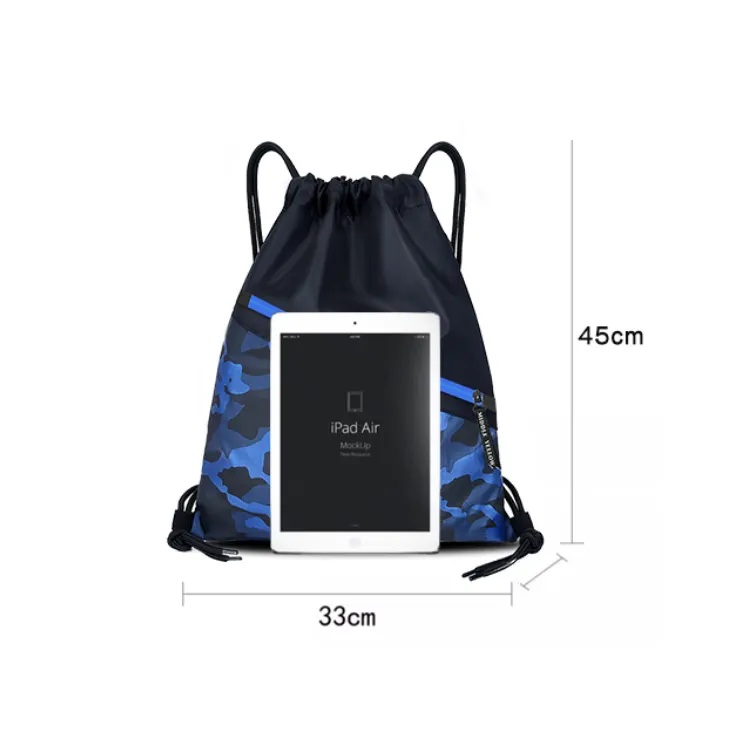
Logistical Efficiency: Because these bags are so durable, your business doesn’t need to order them as often. You can ship one large order of bulk drawstring bags with logo or totes and know they will serve your customers for years. This cuts down on the constant shipping and fuel costs associated with disposable packaging.
| فائدة | Non-Woven Tote Bags | Comparison to Plastic |
| Pollution Prevention | Heavier and more stable fibers; does not break into “microplastic dust” easily. | Thin plastic films fragment quickly into water and air. |
| Resource Use | Turns polypropylene (an oil refining byproduct) into a high-value, multi-year tool. | Utilizes what might otherwise be wasted or burned. |
| Logistical Efficiency | Durable nature allows for fewer orders and serves customers for years. | Reduces constant shipping and fuel costs of disposable packaging. |
Investing in sustainable packaging solutions is no longer just a “nice-to-have” option—it is a strategic marketing advantage that directly impacts your bottom line and your brand’s reputation.
Hit Your ESG Targets with Tangible Proof: Most large corporations are now under strict ESG (Environmental, Social, and Governance) mandates. When you provide a high-quality environmentally friendly bag, you aren’t just making a promise on a website; you are giving your partners a physical piece of proof that your brand takes sustainability seriously. It turns your marketing budget into a corporate responsibility asset.
The “Walking Billboard” with a Conscious: Every time a client carries one of your custom non-woven tote bags to the library, the store, or the office, your logo is on display. But here’s the kicker: because it’s a reusable bags good for the environment, the public sees your brand as a “fixer” rather than a “polluter.” It creates a positive psychological link between your logo and the protection of the planet.
Drastically Lower Your “Cost-Per-Impression”: Digital ads are expensive and people pay to block them. Paper bags rip and get tossed. But a non-woven promotional tote bag lasts for years. If a bag costs you a few cents more but gets carried 200 times in public, your cost-per-impression drops to almost zero. It is the most cost-effective way to keep your business top-of-mind without cluttering the world with waste.
Build Long-Term Customer Loyalty: People feel guilty using plastic bags today. When your business provides an eco-friendly reusable bag, you are solving a daily problem for your customers. They will reach for your bag over others because it’s reliable, clean, and helps them feel better about their own environmental footprint. That kind of loyalty is something you simply cannot buy with traditional advertising.
How long does a non-woven tote bag typically last?
With regular use, a high-quality bag lasts over two years, replacing hundreds of single-use plastic sacks easily.
How many plastic bags does one non-woven bag replace?
On average, one durable bag does the work of 50 to 100 single-use plastic sacks. It’s a massive win for waste reduction.
Can non-woven tote bags be washed and reused?
Absolutely. You can hand-wash them or wipe them down with a damp cloth. They dry quickly and are ready for the next task.
How does non-woven compare to cotton in price?
Non-woven is much more cost-effective, offering a similar professional look and durability at a fraction of the cost.
In a world moving away from “disposable” culture, your business has a chance to lead. Choosing an environmentally friendly bag is a simple, effective way to clean up your supply chain and sharpen your brand image. At تشونغجين, we specialize in building sustainable promotional bags that help you stay visible while protecting the planet. Ready to make the switch? Let’s get to work.