





If you need durability, premium branding, and biodegradability, canvas is your choice. If you need light weight, water resistance, and lower unit cost for bulk orders, polyester wins. Below, you’ll find the exact specs, scenarios, and standards you need to decide for your business — not just generic opinions.
You’re sourcing bags for your brand, and you keep hitting the same wall: canvas vs polyester bags — which one actually fits your product line, your budget, and your customers? This guide breaks it down by fabric weight, GSM, water resistance, cost per unit, and real B2B use cases, so you can make a sourcing decision today, not after another week of research.
You’re comparing two fundamentally different materials, and the difference shows up in how the bags perform over time, not just how they look on day one.
| ميزة | Canvas Bags | Polyester Bags |
|---|---|---|
| Raw Material | 100% cotton or cotton-poly blend | Synthetic polyester fiber (PET-based) |
| Typical Weight | 200–550 GSM | 190D–600D (denier, not GSM) |
| مقاومة الماء | Absorbs water; needs coating to resist | Naturally water-resistant; dries fast |
| Reuse Cycles | 100+ washes/uses | 150+ uses, abrasion-resistant |
| Biodegradability | Yes (natural fiber) | No, unless using rPET/recycled polyester |
| Unit Cost (bulk) | Higher ($1.5–$3.0/pc at scale) | Lower ($0.5–$1.8/pc at scale) |
| أفضل ل | Premium retail, fashion, eco-brands | Gym bags, drawstring bags, outdoor gear, sports merch |
You can see the pattern immediately: canvas trades cost for brand value and biodegradability, while polyester trades natural fiber for weight, water resistance, and price efficiency. Neither is “better” — they’re built for different jobs.
If you’ve sourced canvas before, you’re used to GSM (grams per square meter) as the strength indicator. Polyester uses a different unit — denier (D) — and this trips up a lot of first-time buyers.
If your business is sourcing for a fitness brand or sports retailer, you’ll want to know exactly which denier rating fits your use case. Our حقيبة ظهر للجيم برباط 420D مع جيب بسحاب is a concrete example of mid-weight polyester engineered specifically for daily gym use — sturdy enough for shoes and weights, light enough not to fatigue the shoulder straps.
Polyester wins on abrasion and moisture resistance; canvas wins on long-term structural integrity and load tolerance.
For businesses comparing bag shapes rather than just fabric — for example, deciding between a backpack-style bag and a simple drawstring sack for the same polyester material — this comparison digs deeper: Drawstring Bag vs Backpack: A Complete Performance Comparison.
If your supplier mentions “polyester oxford fabric,” that’s not the same as basic woven polyester — and you should know the difference before signing off on a quote.
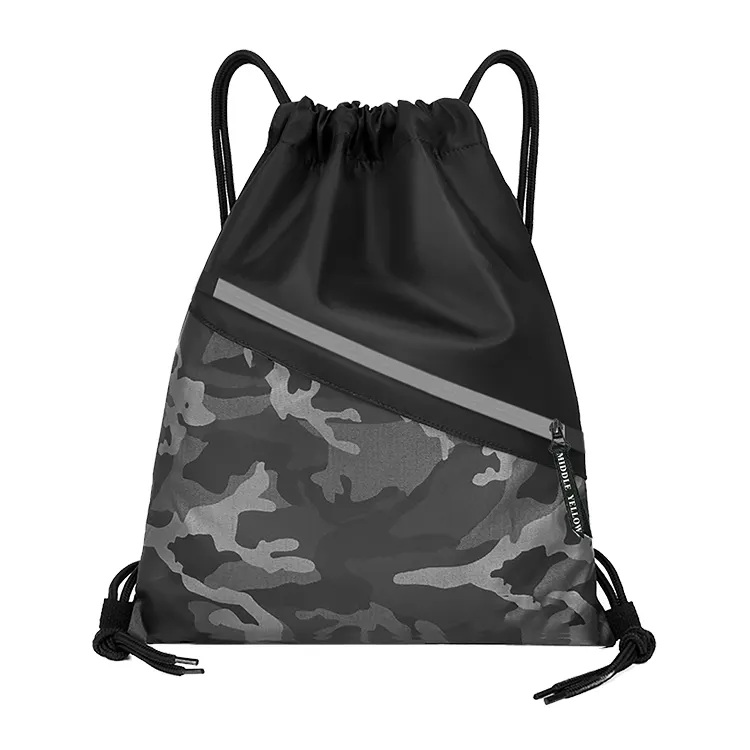
For businesses producing branded gym or sports merchandise in volume, oxford-weave polyester typically delivers the best cost-to-durability ratio compared to standard plain-weave polyester.
Instead of abstract pros and cons, here’s how the decision plays out in real sourcing situations.
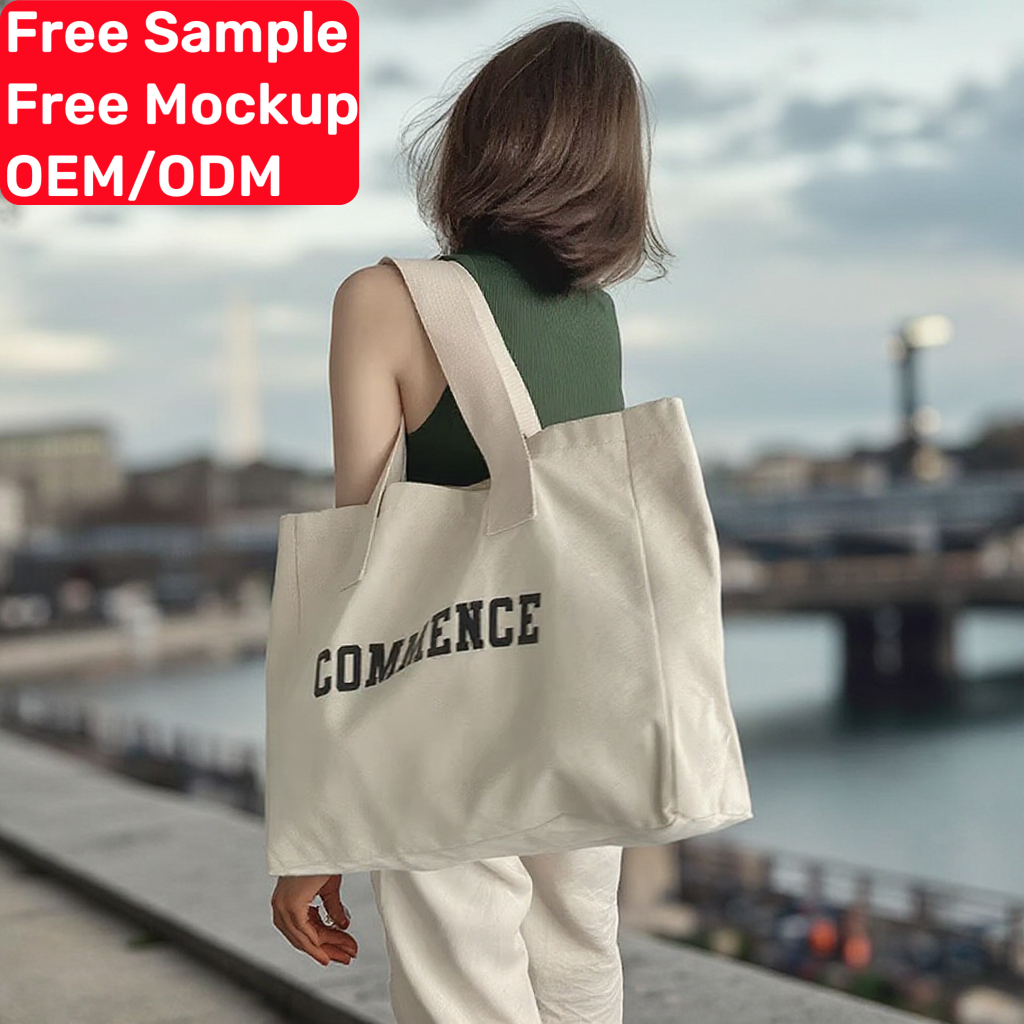
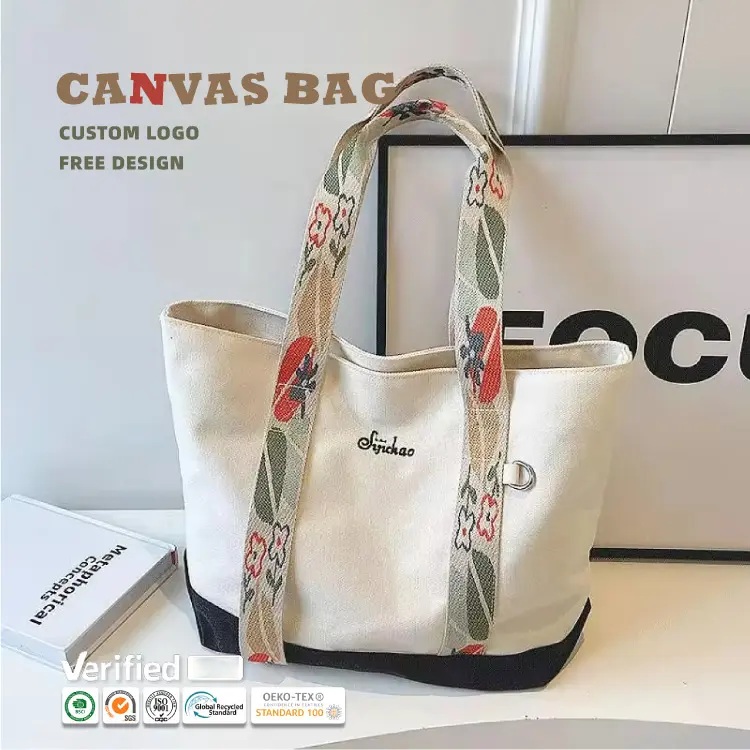
Choose canvas. Customers associate cotton canvas with craftsmanship and sustainability. A heavyweight canvas tote bag bulk order, finished with embroidery or screen printing, signals quality that justifies a higher retail price point.
Choose polyester. A polyester gym bag handles sweat, moisture, and daily abrasion far better than canvas. Look for 210D–420D with a water-resistant zipper compartment for shoes.
Choose polyester. Lower unit cost at scale means you can distribute more units within budget. Polyester drawstring bags in bulk are the standard choice here — light, foldable, fast to produce.
Choose canvas (or organic cotton canvas). Biodegradability and a “natural fiber” story matter to your audience. Pair this with a transparent supply chain narrative for stronger brand trust.
Choose polyester, ideally with a PU/PVC coating. Canvas without waterproof treatment will soak through and stay damp, which is a problem for outdoor retail, delivery, or travel use cases.
Whether you land on canvas or polyester, these checkpoints prevent costly mistakes at scale:
If you’re still deciding between fabric categories altogether — not just canvas vs polyester, but how either compares to non-woven options — this related comparison may help you map out your full product line: Non-woven Bag vs Canvas Bag: Which One Fits Your Business.
Still not sure which fabric fits your product line?
ZHONGJIN manufactures both canvas and polyester bags in-house, with free samples and OEM/ODM customization available for your business. Tell us your use case, and we’ll recommend the right material, weight, and MOQ for your order.
Polyester is the better choice for gym bags. It resists sweat and moisture, dries faster than canvas, and a 420D weight handles daily wear from shoes, weights, and gym floors without showing damage as quickly as canvas.
MOQs vary by supplier, but as a general industry benchmark, canvas tote bag bulk orders often start around 300 units, while polyester bags (including drawstring styles) can start lower, often around 500 units, since production is faster and simpler.
Standard polyester is petroleum-based and not biodegradable, while canvas (cotton) is a natural, biodegradable fiber. However, recycled polyester (rPET) closes much of this gap by reusing existing plastic waste instead of virgin material — ask your supplier if rPET options are available.
For everyday retail use, 200–300 GSM is standard. For heavy-duty applications like grocery totes or branded merchandise meant to last years, look for 300–550 GSM with reinforced, double-stitched handles.
The “D” stands for denier, a measure of fiber thickness. Higher denier numbers mean thicker, more durable threads. 210D is common for lightweight foldable bags, while 420D and above is standard for gym bags, backpacks, and items needing higher abrasion resistance.
Yes. Polyester typically uses heat transfer printing, screen printing, or embroidery, while canvas works well with screen printing and embroidery too. Polyester generally offers more vivid, full-color digital printing options at a lower cost per unit.
Canvas is significantly heavier due to its cotton fiber density (200–550 GSM), which increases shipping costs for large bulk orders. Polyester is lighter per unit, making it more cost-effective for international freight, especially for promotional or drawstring bag orders.
No. Polyester oxford fabric uses a basket-weave construction that increases tear strength and texture compared to standard plain-weave polyester. It’s commonly used in gym bags, backpacks, and outdoor gear where extra durability is needed.
Quality canvas bags typically withstand 100+ uses or washes without structural failure. Polyester bags, especially higher-denier versions, often exceed 150 uses thanks to their resistance to abrasion and moisture damage.
Describe your end use (retail, gym, promotional, outdoor), expected load weight, climate conditions, and target price point. A reliable manufacturer like ZHONGJIN can recommend the right fabric, weight, and finishing based on these specifics rather than a generic catalog pick.