




Trends flash and fade overnight, but true sustainability relies on products that endure. For global procurement managers, sourcing temporary marketing gimmicks is a waste of capital. This guide unravels the exact engineering principles behind building classic eco friendly bags—timeless, high-strength carriers that elevate your brand image, slash seasonal packaging costs, and win the hearts of modern conscious consumers.
Before drafting a tech pack or contacting a manufacturing facility, you must understand what separates a premium, lasting carrier from a disposable giveaway. It comes down to material choices and a rejection of fast-fashion trends.
100% Biodegradable Substrates: True classic green design relies entirely on unblended, natural plant fibers like hemp, organic linen, and raw cotton canvas. These fabrics require no petroleum extraction and break down naturally back into the soil without dropping harmful microplastics into ecosystems.
A Timeless Aesthetic Form: Instead of chasing loud neon color gradients or awkward structural shapes that look dated by next season, classic carriers rely on clean minimalism, standard square dimensions, and natural oatmeal or muted earth tones.
Industrial Structural Integrity: These bags are built as workhorses, not flimsy throwaways. They utilize thick fabric plies, heavy-duty thread counts, and smart load-bearing geometry designed to handle thousands of heavy-use cycles.
Every penny spent on store packaging should function as a high-return marketing investment. Shifting your sourcing strategy toward timeless, sustainable designs offers immediate financial and brand equity rewards.
Massive Brand Exposure ROI: When you distribute an ugly or low-quality promotional bag, it goes straight into a landfill or a hidden dark closet. But a beautiful, heavy-duty canvas tote becomes a personal style statement. Your retail buyers will proudly carry it to high-traffic local farmer’s markets, chic coffee shops, offices, and weekend getaways, giving your brand free local billboard exposure for years.
Drastic Cost Optimization: Ordering thousands of cheap single-use carriers month after month drains corporate cash flow. By engineering a single, bulletproof, reusable alternative, you encourage a circular retail model that reduces your long-term reorder volumes and shipping costs.
Defeating the Greenwashing Backlash: Modern consumers are incredibly smart and can sniff out fake environmental claims instantly. Handing out authentic, premium classic eco friendly bags communicates deep, uncompromised corporate responsibility that builds ironclad customer loyalty.
Before placing a wholesale order, use this technical spec sheet to align your target audience with the ideal construction blueprint.
| Design Attribute | Economy Promotional Style | Mid-Tier Retail Standard | Luxury Heritage Standard |
| Material Choice | 6oz – 8oz Raw Cotton | 10oz – 12oz Organic Canvas | 14oz – 16oz Heavyweight Duck Canvas |
| Ideal Fabric Weight | Light & ultra-flexible | Medium structure, clean draping | Maximum rigidity, stands completely upright |
| Best Printing Match | 1-2 Color Silk-Screen Print | Water-based Screen Print or Embroidery | Luxury Embossed Leather Patch / Deep Knit |
| Target Application | Mass trade show giveaways, gift wraps | Bookstore totes, grocery chains, boutiques | Premium lifestyle apparel, corporate VIP gifts |
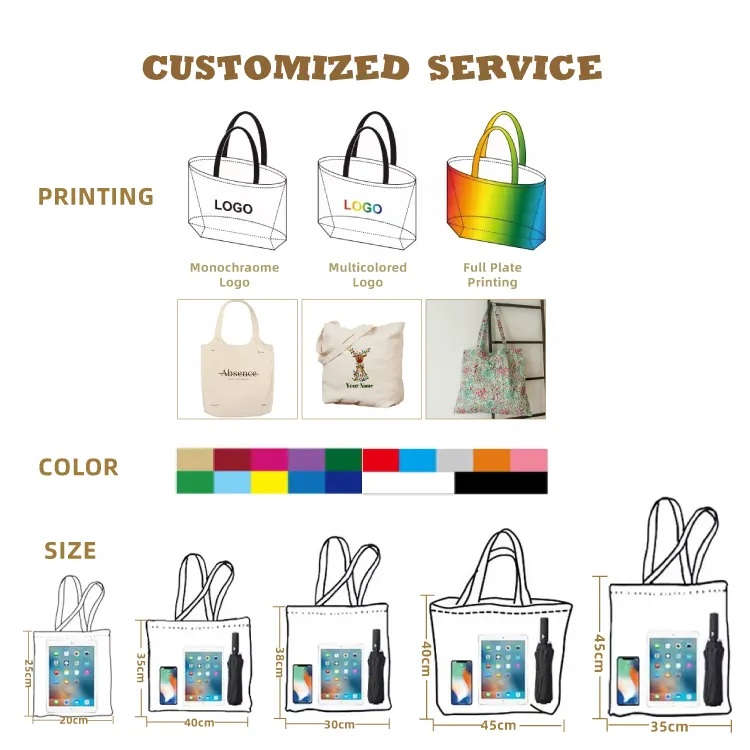
Before you pick your fabric or choose your colors, you need to lock down your sizing. The wrong dimensions can make your bags look awkward on a customer’s shoulder or limit what they can actually carry.
The Golden Retail Standard (38x42cm): This is the flat, classic grocery dimension that remains the undisputed favorite for bookstores, clothing boutiques, and mass events. It lays perfectly flat against the body and handles standard apparel boxes or hardback novels beautifully.
The Box Gusset Upgrade: Adding an 8 to 12cm side and bottom panel completely transforms a flat cloth pouch into a structured, freestanding premium carrier. This extra space allows users to stack items flat on the bottom without stretching or warping the fabric.
The Horizontal Laptop Cut: Many modern lifestyle brands prefer a wider, shorter landscape design, such as 40x30cm. This shape allows customers to slide in MacBooks, thick office binders, and daily essentials effortlessly without burying items at the bottom of a deep dark pouch.
Great design bridges the gap between premium looks and rugged utility. If a tote bag looks incredible but rips open or hurts the user’s shoulder when loaded with groceries, it fails as a branding tool.
Select the Perfect Fabric Weight (GSM): Avoid thin, paper-like fabrics that wrinkle and warp. The industry gold standard for a structured retail carrier is a heavyweight 12oz to 14oz canvas or a high-density woven weave. This thickness ensures the bag stands wide open on a checkout desk, making it fast and effortless for your staff to load items.
If your marketing campaign requires a more budget-friendly non-woven material alternative, check out our comparison on 80 gsm vs 100 gsm non-woven bags to pick the right density.
Engineer Comfort-First Straps: If your handles are too short or too narrow, they will dig painfully into a shopper’s skin when carrying heavy water bottles or laptops. Design wide, flat cotton webbing handles with a comfortable 28cm to 30cm shoulder drop so the bag rests comfortably over thick winter coats.
Incorporate High-Utility Features: True classic design loves practical details. Integrate a small brass magnetic button snap at the rim for secure closing, deep side panels to maximize storage space, and a small interior zippered pocket to keep a phone and car keys safely separated from dirty groceries.
If you want to move away from cheap promotional giveaways and step into retail fashion, the magic is in the details. Small structural upgrades add massive perceived value to your custom bags.
Functional Hardware Closures: Ditch the cheap hook-and-loop fasteners that snag on clothing. Premium production lines swap them for industrial brass metal snaps, heavy-duty zippers, or organic magnetic buttons that close with a satisfying click.
Smart Interior Organization: True utility means keeping things organized. Adding small hanging zip pockets, dedicated water bottle loops, and sewn-in metal key hooks turns a simple canvas tote into an everyday utility bag that users carry everywhere.
The Luxury Branding Patch: Instead of splashing a massive, loud ink print across the fabric, choose a discrete embossed cork label, a woven flag tag, or a recycled leather patch sewn directly into the side seams for an upscale look.
When navigating mass production lines with an overseas supplier, small oversight errors can compromise your entire budget. Keep an eye out for these five common factory manufacturing shortcuts.
The Chemical Odor Bleach Trap: Many lower-grade factories run raw fabrics through aggressive chlorine chemical baths to achieve a stark, artificial white color. This process damages textile fibers and leaves a pungent chemical smell. Stick to unbleached, raw organic cotton to preserve natural fiber strength and a premium, clean aroma.
Single-Line Handle Stitching: Never accept a basic horizontal stitch line at the main handle attachment points. High-traffic shopping carriers require a dense cross stitch box-X pattern reinforced with heavy duty nylon threads to ensure the straps never tear out under intense loads.
To see why international retail giants prioritize this specific structural seam, read our technical deep-dive on why top brands demand cross stitch tote bags for their bulk orders.
Poorly Cured Graphic Inks: Rushed production lines often bypass proper ink curing ovens to boost daily output speeds. This results in sticky logos that crack, smudge, and transfer directly onto your customer’s expensive clothing during humid summer commutes.
Blindly Skipping Pre-Production Samples: Never greenlight a bulk run of 5,000+ units based purely on digital PDF mockups. Always demand a physical, factory-floor prototype to physically touch the weave thickness, inspect the inner lining seams, and run a hard scratch test on the print.
Concealed Plate and Setup Costs: Intricate graphic layouts require expensive multi-color printing plates or screen setups. Ensure your factory contract clearly itemizes all initial plate setup costs upfront, so you aren’t blindsided by hidden surcharges on your final invoice.
If you are ready to find a verified production partner, review our vetted industry list of the best 12 reusable shopping bag manufacturers in china to shortlist your options.
Before you hit the start button on a massive factory order, you need to run a few real-world stress tests on your physical prototype. This saves your business from costly mistakes.
Checking the Fabric Grain: Hold the prototype up to a bright light and check the alignment of the canvas weave. If the grain runs crooked, the entire bag will twist and warp permanently out of shape after its very first heavy use.
The Tension Scratch Test: Take a coin or your fingernail and rub it hard across the printed graphic logo. If the ink flakes or scratches off easily, it means the factory skipped the heating ovens and the print will wash away.
Real-World Weight Loading: Stuff the sample bag with 10 to 15kg of heavy books or tools and hang it from a hook for 48 hours. Inspect the seams afterward to check for loose threads or fabric pulling away at the handles.
What materials are best for designing classic eco friendly bags?
Unbleached organic cotton canvas, raw linen, and woven hemp are the top choices due to their strength and biodegradability.
How do I ensure my custom sustainable bags look high-end instead of cheap?
Stick to minimalist graphics, neutral earth tones, thick fabric weights, and request premium matte finishes or embroidery.
What is the ideal shoulder strap length for a standard retail tote bag?
The industry standard is a 25cm to 30cm drop, using wide flat cotton webbing for maximum shoulder comfort.
Can eco-friendly canvas bags handle intricate, full-color photographic printing?
Standard canvas absorbs ink heavily. For highly detailed photography, water-based digital printing or sewing a custom patch works best.
Why is a box-X cross-stitch pattern necessary at the handle joint?
It distributes heavy loads across a larger surface area, preventing sudden strap tear-outs during heavy grocery runs.
Mastering the creation of classic eco friendly bags means prioritizing durable textiles, timeless aesthetics, and flawless factory craftsmanship over cheap, throwaway trends. This strategic design shift protects your procurement budget, drives years of organic real-world brand visibility, and builds authentic trust with modern consumers. Ready to bring your custom packaging blueprint to life? Contact us today to receive a direct factory quotation!