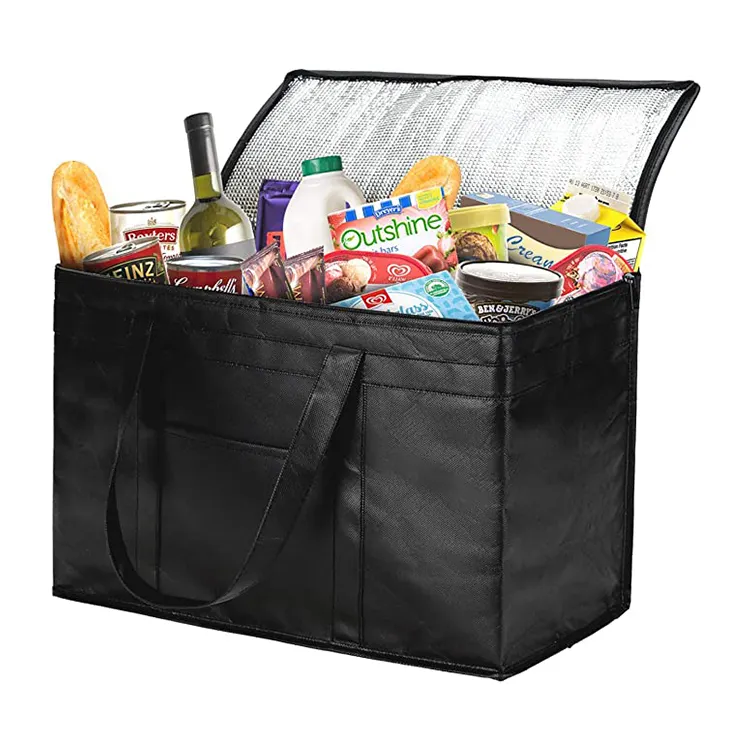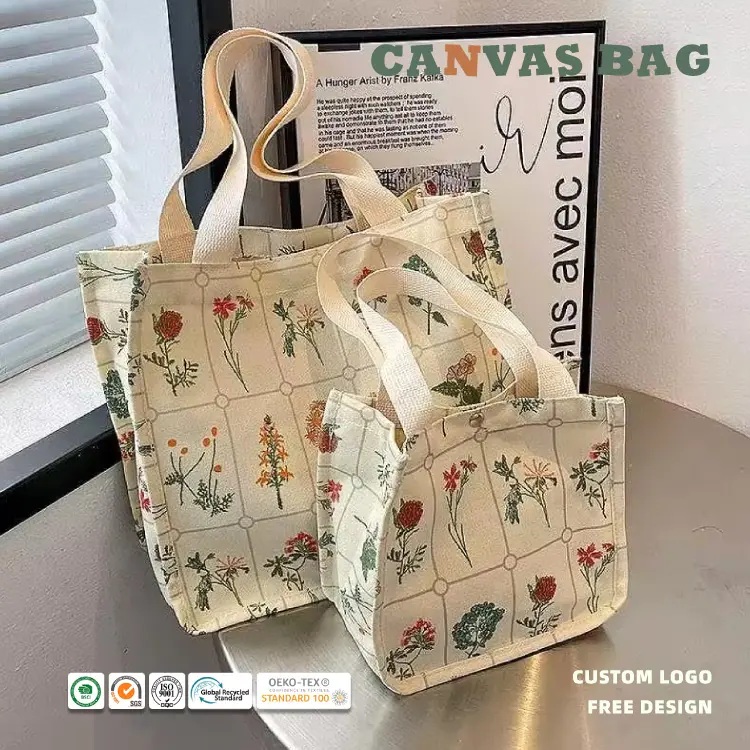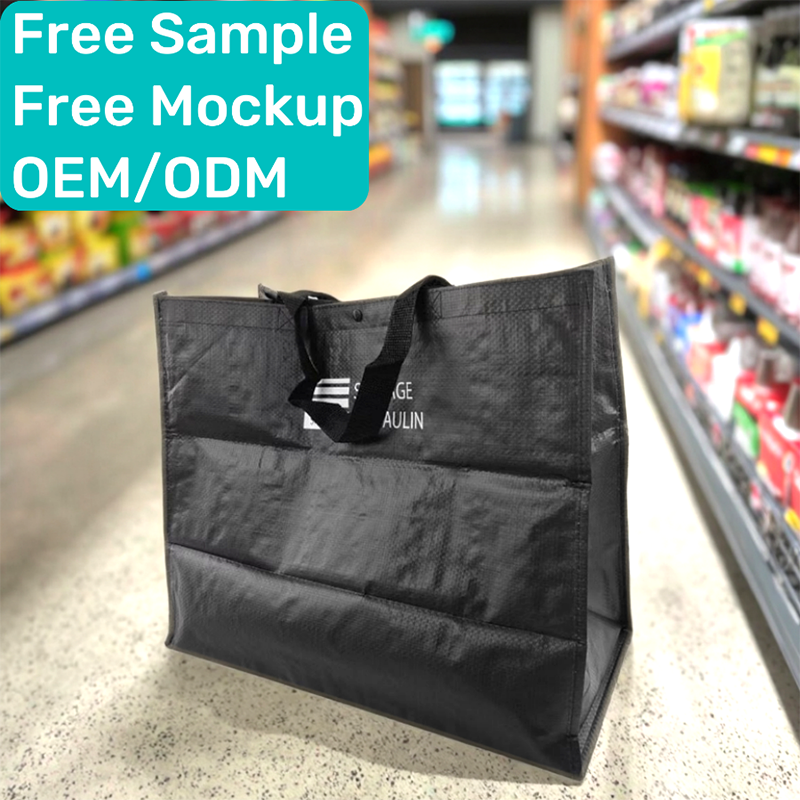




Let’s be real: the world of sustainable packaging is moving fast. As a business, you’re likely caught between sticking with the reliable china reusable shopping bag or upgrading to the latest eco-trend. This guide breaks down the core differences between RPET and PP non-woven materials, helping you make a data-backed decision for your brand’s next big project.
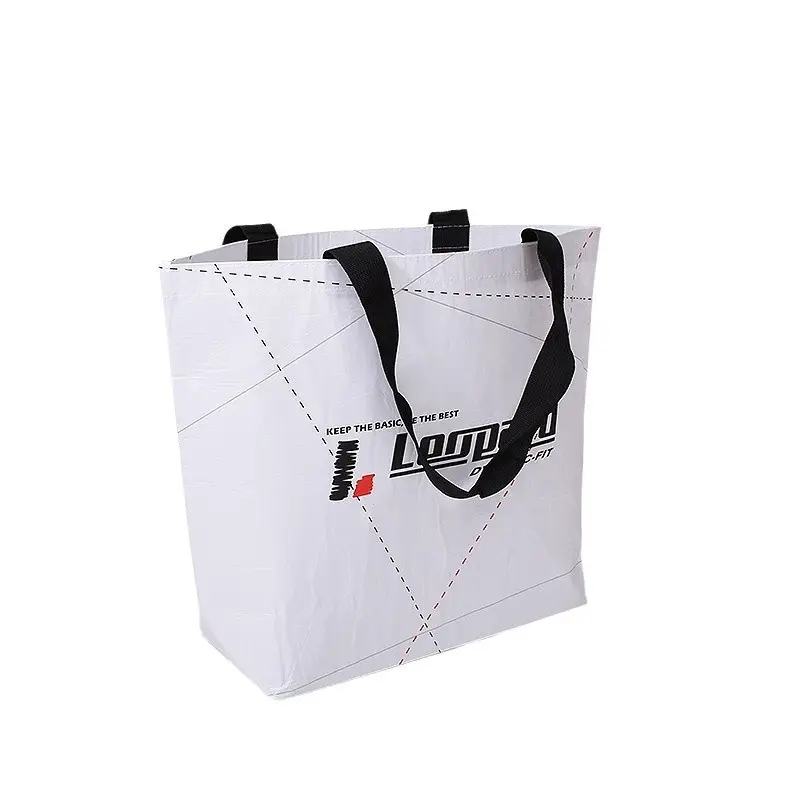
Ein RPET-Öko-Tasche (Recycled Polyethylene Terephthalate) is essentially a second life for plastic waste. Most of the material comes from recycled water bottles that are cleaned, melted, and spun into a high-strength polyester fiber.
The Process: Collected plastic bottles are shredded into small flakes, purified, melted into pellets, and eventually extruded into long-lasting fibers that are woven or pressed into a durable, eco-friendly fabric.
Haltbarkeit: The resulting material mimics the soft, flexible texture of traditional textiles while maintaining the industrial-grade strength and tear resistance needed for heavy-duty grocery shopping and daily use.
The Statement: Choosing this material signals that your brand actively supports the circular economy by diverting plastic waste from oceans and landfills, turning pollution into a high-value marketing tool.
If you’ve ever used a durable grocery tote, you’ve held a Vliesbeutel. Unlike traditional cloth that is woven together, these bags are made by bonding polypropylene (PP) fibers together using heat and pressure.
Material Science: It uses “spunbond” polypropylene fibers that are pressed into a breathable, water-resistant material, offering a soft, cloth-like texture without the high cost of traditional weaving or knitting.
Anpassung: The fabric serves as a blank canvas for vibrant printing and easily adapts to the heat seal non woven bag style for lightning-fast, high-volume production runs.
Deep Dive: To understand the technical details behind how these bags are put together, check out our comprehensive guide on the Step-by-Step Manufacturing Process.
Sourcing Tips: As a leading non woven bag manufacturer in china, we’ve seen how this material offers the best balance between low cost and high brand visibility.
Are you also considering woven materials? Check out our expert analysis on Non-Woven Bag vs. Woven Bag.
A reusable shopping bag isn’t just a container; it’s a “walking billboard.” For a non woven bag supplier china, the goal is to create something that your customer keeps for months, not minutes.
Cost-Efficiency: While cotton or canvas are expensive, PP non-woven and RPET materials provide a professional, premium look at a fraction of the price, maximizing your marketing ROI for bulk distributions.
Massive Impressions: Every time your customer visits the gym or grocery store, your logo gains hundreds of organic views, turning a simple utility item into a long-term, high-frequency mobile advertisement.
Eco-Logic: Replacing thousands of single-use plastic bags with one durable, recycled alternative is the most cost-effective way to boost your brand’s green credentials and appeal to modern, eco-conscious consumers.
High Versatility: These bags can be fully customized in size, color, and handle style, allowing your china non woven bag supplier to design a product that perfectly aligns with your specific brand identity.
Durability Advantage: Unlike fragile paper bags, these sturdy carriers can support significant weight and withstand repeated use, ensuring your brand stays in the customer’s hands—and home—for years.
Choosing the right material from your china non woven bag supplier depends on your specific goals:
Textur: RPET feels more like a soft, high-end textile similar to polyester, whereas PP non-woven has a distinctive “dimpled” or plastic-cloth texture that is slightly stiffer but very lightweight.
Drucken: Both support high-quality silk-screen printing, but RPET is exceptional for full-color lamination, allowing for vibrant, photographic-quality imagery that perfectly captures intricate brand details and complex color gradients.
Price Point: RPET is generally more expensive due to the complex bottle-collection and purification process. For a detailed cost breakdown, refer to our Sourcing Price Guide of Non Woven Bag.
Strength: RPET has higher tensile strength and heat resistance, making it the ideal material for heavy-duty “life-long” bags designed to carry heavy groceries or equipment without stretching or tearing.
Nachhaltigkeit: Both options are 100% recyclable, but RPET wins on “circularity” because it directly converts post-consumer plastic waste into new products, significantly reducing the demand for virgin petroleum-based materials.
| Faktor | RPET-Material | Standard PP Non-Woven |
| Textur | Soft, high-end textile similar to polyester. | Distinctive “dimpled” texture; slightly stiffer and lightweight. |
| Exceptional for full-color lamination and photographic-quality imagery. | Supports high-quality silk-screen printing. | |
| Price Point | Generally more expensive due to complex processing. | Lower cost (referenced as standard in comparison). |
| Strength | Higher tensile strength and heat resistance; ideal for heavy-duty use. | Stays strong but may stretch or tear under heavy equipment. |
| Nachhaltigkeit | High circularity; converts post-consumer plastic waste. | 100% recyclable but uses virgin petroleum-based materials. |
Since RPET is a premium recycled material, finding a qualified non woven bag manufacturer in china with RPET expertise requires extra due diligence to avoid “greenwashing.”
Demand GRS Certification: A trustworthy supplier must hold a Global Recycled Standard (GRS) certificate, which provides third-party verification that the material is truly made from post-consumer recycled plastic bottles.
Traceability: Ask for specific transaction certificates (TC) that track the raw material from the initial recycling center to the final bag factory, ensuring a transparent and ethical supply chain.
Sample Testing: RPET can vary in stiffness and hand-feel; always request a physical sample to inspect the fabric’s quality, thickness, and printing clarity before committing to a high-volume bulk order.
Check the Recycled Content Percentage: Verify exactly how much of the bag is made from recycled fibers, as high-quality suppliers offer various blends to meet specific durability and sustainability targets for your brand.
Vetting a non woven bag supplier china is about more than just the lowest quote. You need a partner who understands international standards and high-speed production.
Inspect the Tech: Ensure the factory utilizes modern ultrasonic welding technology, which creates cleaner, stronger, and more aesthetic seams on every china reusable shopping bag without the need for traditional thread.
Evaluate Capacity: Confirm the manufacturer can manage high-volume orders during peak seasons while maintaining strict consistency in fabric GSM, color matching, and overall structural integrity across the entire shipment.
Global Compliance: Partner with suppliers who strictly follow ISO or BSCI standards, guaranteeing that your products are manufactured in ethical, safe, and socially responsible environments that protect your global brand reputation.
Communication and Lead Times: Prioritize factories that offer transparent production schedules and proactive communication, helping you avoid unexpected delays and ensuring your seasonal marketing campaigns stay perfectly on track.
Is an RPET Eco Bag more expensive than a standard non-woven bag?
Yes, the recycling and purification process for RPET usually adds 20-30% to the raw material cost.
Can I use full-color printing on a china reusable shopping bag made of RPET?
Absolutely. RPET handles lamination beautifully, allowing for vibrant, photographic-quality designs that won’t fade or peel.
Is the printing on RPET bags as durable as on standard non-woven bags?
Actually, RPET’s smoother surface often allows for better ink adhesion and sharper details, making it superior for complex, high-resolution brand logos.
Can RPET bags be recycled again after their lifespan ends?
Yes. RPET is a circular material that can be recycled multiple times, helping your brand maintain a zero-waste packaging loop.
Whether you go with the classic versatility of a china reusable shopping bag or the high-end appeal of an RPET Eco Bag, your choice makes an impact. By partnering with a dedicated non woven bag manufacturer in china, you ensure quality, sustainability, and the best possible ROI. Ready to start? Kontaktieren Sie uns for a quote today!