




When sourcing bulk retail packaging, durability is everything for your brand image. Clients frequently ask a critical maintenance question: can you put laminated pp bags in the washing machine? This guide delivers the facts on maintaining coated plastic carriers, protecting your printed custom logos, and helping your global buyers extend the life of their wholesale packaging investments.
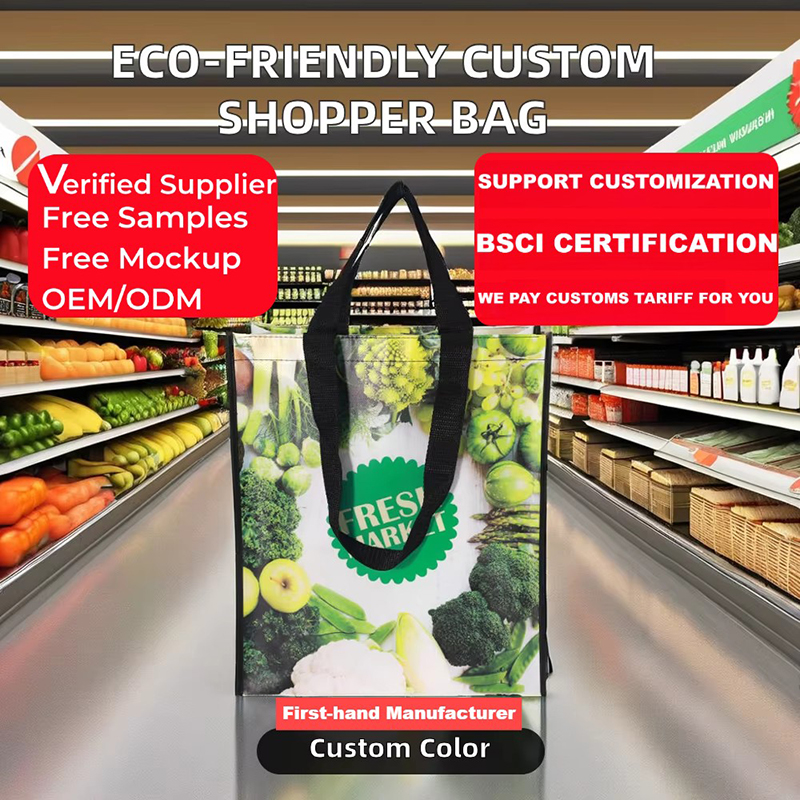
To understand why automatic laundry cycles present a massive hazard, you need to look at how these heavy-duty retail carriers are manufactured. They are not a single solid piece of fabric. Instead, they are a high-tech blend of two distinct material layers bonded together.
The Core Polypropylene Base: The structural strength comes from a rugged base of either woven or non-woven polypropylene plastic. This synthetic material is highly prized in retail because it handles immense weight without tearing.
The Glossy OPP Protective Film: Factories use heat and pressure to apply a paper-thin layer of Oriented Polypropylene film over the raw plastic base. This film acts as the canvas for your full-color photographic branding graphics and shields the bag from raindrops.
The Industrial Glues and Welds: The handle straps and piping edges are locked into place using specialized heat-seal bonds or dense synthetic stitching threads. This process creates a rigid, boxy shopper profile that stands out during checkout.
Throwing a coated plastic shopping bag into an automatic washing machine triggers a chain reaction of physical forces. These forces will quickly turn your premium store carriers into wrinkled trash.
Agitation Destroys the Glossy Film: The violent twisting, spinning, and friction inside a washing machine drum forces the rigid plastic film to bend back and forth sharply. This aggressive bending causes the plastic film to crack, peel, and flake right off the base layer.
Delamination from Water Intrusion: As the seams get pummeled by water currents, tiny liquid droplets seep into the microscopic gaps between the plastic base and the top graphic laminate. This moisture breaks down the bonding glues, leaving behind ugly, bubbled blisters across your brand logo.
High Spin Cycles Warping the Webbing: The intense centrifugal force of a modern washer stretches out the synthetic plastic joints. A bag that went into the machine straight and boxy will come out looking warped, saggy, and completely unusable for daily grocery runs.
Before training your logistics team or sending out care instructions to retail stores, review how synthetic laminates compare to traditional plant-based fibers.
| Sourcing Material | Machine Washable? | Ultimate Damage Risk | Best Bulk Cleaning Method | Best Sourcing Advantage |
| Laminated PP Bags | No (Never Machine Wash) | Film peeling, surface blistering, logo cracking, seam failure. | Quick surface wipe down with a damp cloth + sanitizing spray. | 100% waterproof exterior; handles full-color photographic prints. |
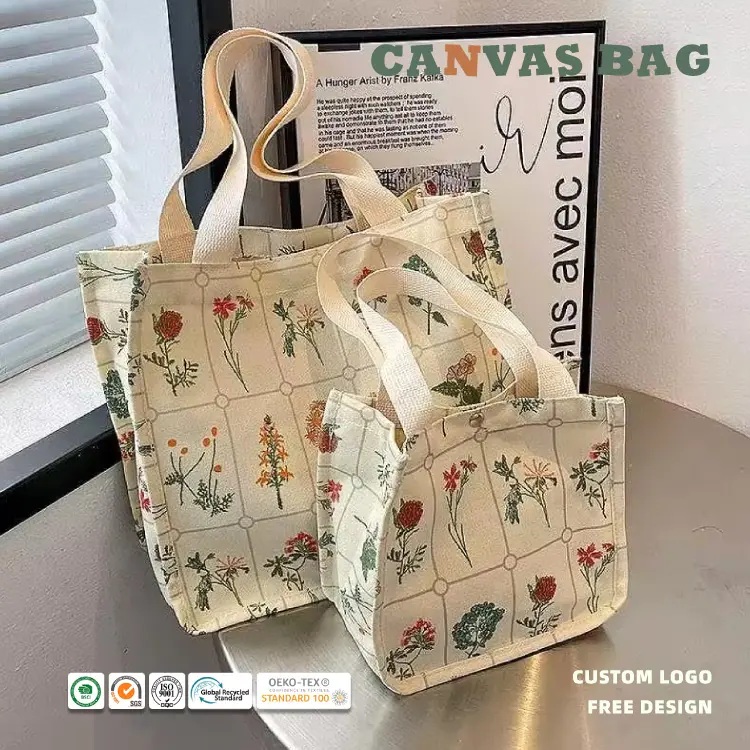
| Natural Cotton Canvas Bags | Yes (Cold water settings) | Severe fabric shrinkage, heavy wrinkling, gradual print fading. | Cold water machine cycle + slow spin + flat shade air drying. | Premium high-end luxury feel; loved by eco-conscious shoppers. |
The biggest selling point of a laminated bag is its naturally slick, non-porous surface shield. Because mud, juice spills, and dirt cannot soak into the actual fibers, cleaning them is incredibly easy and requires zero laundry equipment.
The Quick Damp Cloth Wipe Down: For 95% of daily dirt, all you need is a soft microfiber rag dipped in warm water mixed with a tiny drop of liquid dish soap. Simply wipe across the glossy exterior panels to lift away smudges and food stains instantly.
The Internal Disinfectant Spray: Shopping bags carry fresh meat packages and farm produce that can leave behind hidden bacteria. Spray the interior lining lightly with an alcohol-based sanitizing mist, then let it sit open on a counter to dry.
The Golden Air-Drying Rules: If the bag gets completely soaked during a cleaning run, shake off the excess water droplets immediately. Smooth out the side gussets with your hands and hang the carrier upside down by its bottom seams on a clothesline in a cool, shaded breezeway.
If your retail business serves a target audience that demands a bag they can repeatedly toss into a standard washing machine, you should pivot your procurement strategy away from synthetic laminates.
The Canvas Luxury Alternative: If machine washability is a top requirement for your customer loyalty program, switch to heavyweight cotton canvas. Natural vegetable fibers are built to survive heavy agitation and repeated water submersions beautifully.
Managing Canvas Graphics Care: While canvas fabric won’t peel or blister like a plastic laminate in a washing machine, the ink printed on the surface still needs protection. If your store distributes natural textiles, review our complete guide on how to wash cotton canvas tote bags without fading the print to keep your graphics looking crisp and colorful.
Balancing Your Sourcing Priorities: Use options like a custom pp laminated bag for high-volume, low-cost marketing campaigns where vibrant color art and water resistance matter most. Save natural cotton canvas for premium lifestyle product launches where long-term machine washability is a core brand expectation.
Sometimes, a bag falls apart during a simple surface cleaning because the wholesale factory cut corners during production. Watch out for these four common manufacturing shortcuts:
Skipping the Corona Treatment Process: Before printing graphics on plastic film, top factories pass the material through an electrical charge called a corona treatment. This forces the ink to bond permanently. Low-grade suppliers skip this, causing your logos to scratch off easily with a wet fingernail.
Utilizing Reclaimed Scrap Plastic Mixes: Cheap suppliers save money by mixing recycled factory floor scraps into the raw polypropylene mix. This creates a brittle, weak fabric base that cracks open the second a user tries to fold or wipe down the bag panel.
Ultra-Thin Laminate Layering (Under 15 Microns): If the top film layer is too thin, it cannot handle daily friction. The film will bubble and scratch away during standard retail use, making your company branding look cheap and neglected.
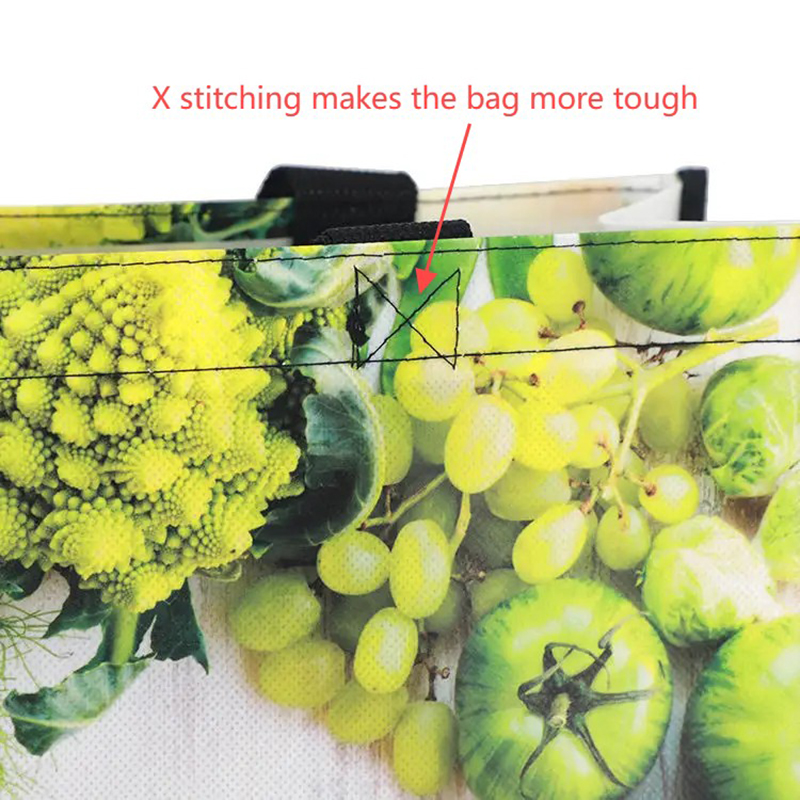
Single-Thread Rim Stitching: Laminated materials are stiff. If a factory uses weak single-thread lines on the handle joints without box-X reinforcement stitches, the straps will snap right off the rim under heavy grocery loads.
Can I use a hot iron to remove creases from a wrinkled laminated PP bag?
No. High heat will instantly melt the synthetic plastic film, completely ruining your iron and the bag.
Are laminated polypropylene shopping bags safely recyclable?
Yes, they belong in standard plastic recycling streams once the non-plastic hardware or interior fabric tags are snipped away.
Why is my laminated store carrier peeling after a light rainstorm?
This indicates a factory defect where the bonding glue was poorly cured or applied unevenly during the lamination process.
Can I submerge a coated non-woven carrier in a basin of hot water?
No. Hot water softens the synthetic polymer glue lines, leading to rapid delamination and ugly surface blistering.
The short answer to can you put laminated pp bags in the washing machine is a hard no. Protecting your retail packaging investment relies on quick surface wiping, gentle air drying, and avoiding high heat cycles entirely. Ready to upgrade your store packaging with durable, long-lasting materials? Contact ЧЖУНДЖИНЬ today to claim your free wholesale sample pack and get a direct factory quote!