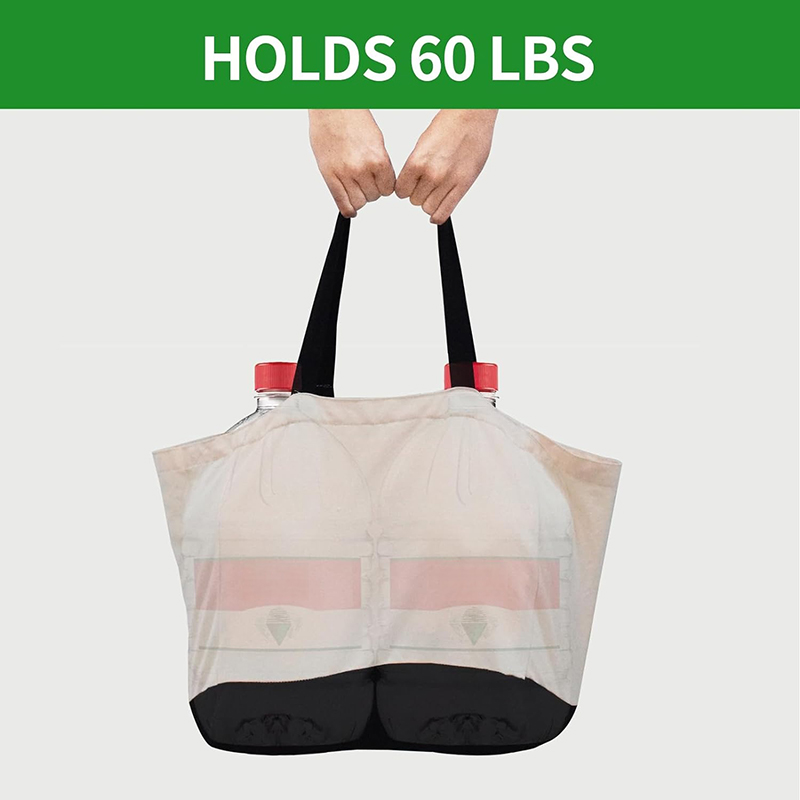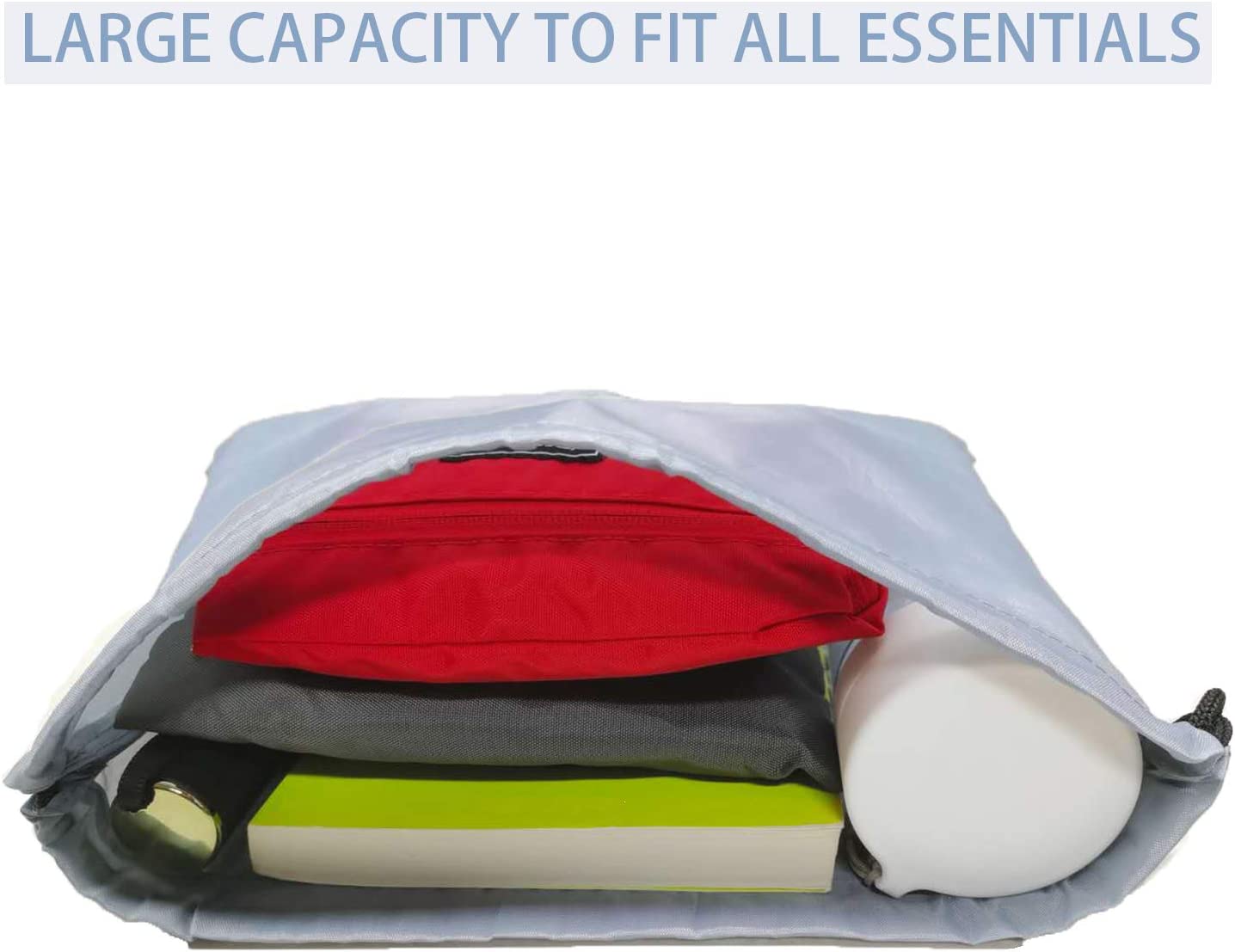




Choosing the right carrier for your brand shouldn’t feel like a guessing game. While a china reusable shopping bag is great for groceries, your next big event might need something more versatile. This guide breaks down the “drawstring bag vs backpack” debate, focusing on raw performance to help your business make a smart, data-backed investment.
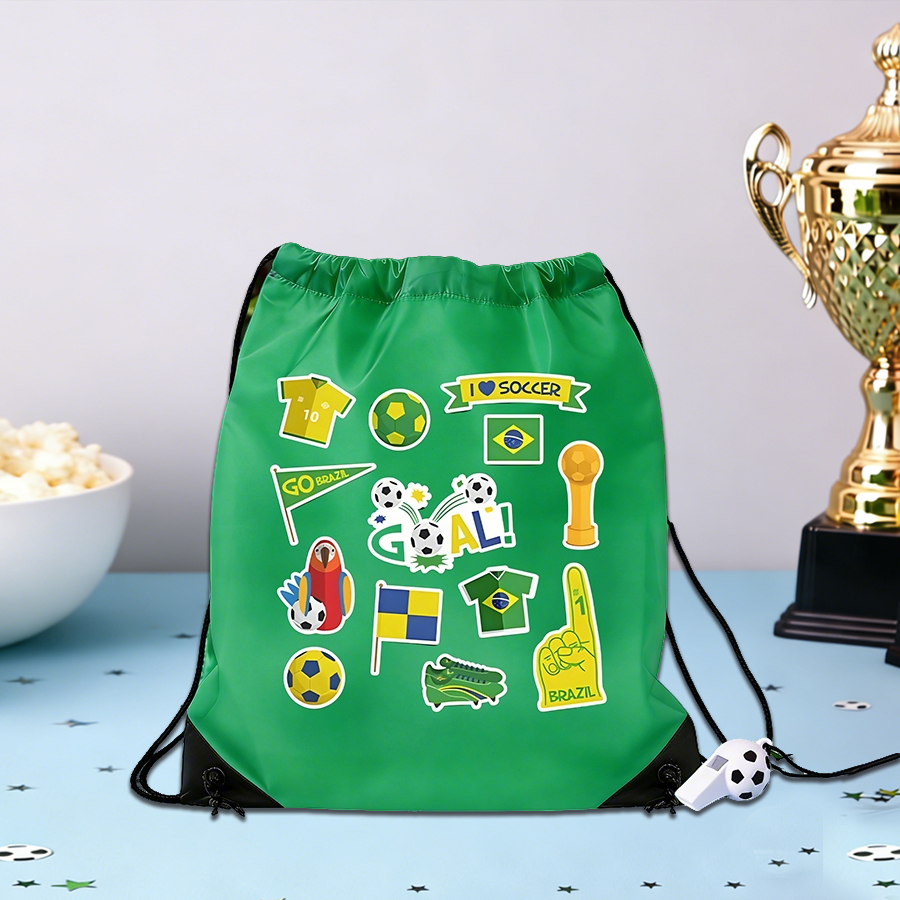
To understand performance, you have to look at the fabric science. While you see many options on the market, the vast majority of products are made from polyester fabric. It is the undisputed king of the industry for several functional reasons.
The 210D Polyester Standard: Why 210D? The “D” stands for Denier, measuring the thickness of the individual fibers. A 210d polyester drawstring bag offers the perfect high-density weave without the bulky stiffness of heavy canvas. It’s naturally water-resistant, incredibly quick to dry, and holds vibrant logo colors far better than natural fibers.
Non-Woven Polypropylene: Often used for a budget-friendly reusable bag, this material is cost-effective and recyclable. While it’s perfect for one-day trade shows or lightweight grocery trips, it lacks the long-term tear-strength that polyester provides for heavy gym or school use.
Nylon Alternatives: Nylon is slightly more elastic and “slicker” than polyester. While it’s very durable, it also comes with a higher price tag. It’s a specialized choice if your brand is targeting high-end fitness enthusiasts who need maximum abrasion resistance.
Cotton and Canvas: These materials provide that organic, earthy “eco-friendly” look. However, from a performance standpoint, they are much heavier, take longer to dry if they get caught in the rain, and are prone to shrinking or wrinkling if washed incorrectly.
Why Polyester Dominates: For most businesses, polyester wins because it strikes the best balance. It’s affordable enough for bulk giveaways but tough enough to last for years of daily use. To see how these fibers hold up under pressure, check out our report on The Science of Durability: What Makes a Drawstring Bag Last for Years?
When we talk about performance, we’re looking at how a bag handles the chaos of daily life.
The Structure: A backpack is like a mobile office. It has “bones”—structured panels, padded compartments, and multiple zippers to keep things organized. This structure is essential for protecting tech like tablets or cameras.
The Simplicity: A drawstring bag is the ultimate “grab-and-go” tool. It’s a single-compartment sack that uses a cinch-top closure. No zippers to snag, no complicated buckles—just one pull and you’re ready.
The Material Factor: Most high-performing versions are a 210d polyester drawstring bag. This fabric is the “sweet spot” because it’s thin enough to cinch tightly but tough enough to survive being tossed around a gym floor or stadium seat.
Storage Magic: One big win for the drawstring style? When empty, it disappears. You can fold ten of them into the space of one standard backpack, making them much easier for your business to store in a warehouse or transport to a trade show.
Here is the “cheat sheet” for your procurement team to use when comparing the two styles.
Weight vs. Bulk: Drawstring bags are practically weightless, often weighing less than 50 grams. Backpacks add at least 500g to 1kg of weight before you even put anything in them.
Access Speed: Need your keys now? You can cinch open a drawstring bag in one second. A backpack might require fumbling with multiple compartments, laptop sleeves, and mesh dividers.
Branding Space: Because a drawstring bag stays flat, your logo is always visible and undistorted. Backpacks have folds, seams, and zippers that can “hide” parts of your artwork when the bag isn’t fully packed.
Cost-to-Impact Ratio: You can buy five to ten high-quality drawstring bags for the price of one entry-level backpack. That’s 10x the brand exposure for the same budget.
Foldability & Logistics: For international shipping, drawstring bags win. You can fit thousands in a single shipping carton, significantly lowering your landed cost per unit compared to bulky, rigid backpacks.
Don’t let the thin strings fool you; these bags can pull their weight if the construction is solid.
The Typical Limit: Most standard drawstring bags are comfortable carrying between 5kg to 8kg. This easily covers a pair of shoes, a water bottle, and a change of clothes.
The “Snap” Point: The weakness usually isn’t the fabric; it’s the corners. High-quality versions use reinforced PU leather or double-stitched “triangles” at the bottom to prevent the strings from ripping out.
Cord Thickness Matters: Thicker cords (around 5mm to 8mm) distribute weight more evenly across the user’s shoulders. This prevents the “cutting” sensation and stops the fabric from stress-tearing at the top.
Technical Secrets: If you’re curious about why certain fabrics hold up better than others over time, check out our deep dive into The Science of Durability: What Makes a Drawstring Bag Last for Years?
If your project is about “longevity” and daily utility for students or office workers, the backpack is the heavy hitter.
Padded Protection: Backpacks use internal foam layers. This doesn’t just protect the laptop inside; it keeps the bag’s shape over years of use, preventing the “sagging” look common in cheaper sacks.
Advanced Stitching: Because backpacks are expected to carry 15kg to 20kg, manufacturers use “bar-tack” stitching—a series of tight, zigzag stitches—at every stress point like handle joins and strap bases.
The Fabric Grade: While a 210d polyester drawstring bag is built for agility, backpacks often use 600D polyester or heavy-duty Nylon. It’s thicker, heavier, and built to withstand the friction of a daily subway or bus commute.
Ergonomics: The wide, padded straps and chest buckles of a backpack mean the user is less likely to get tired. This means your brand stays on their back for longer walks and commutes.
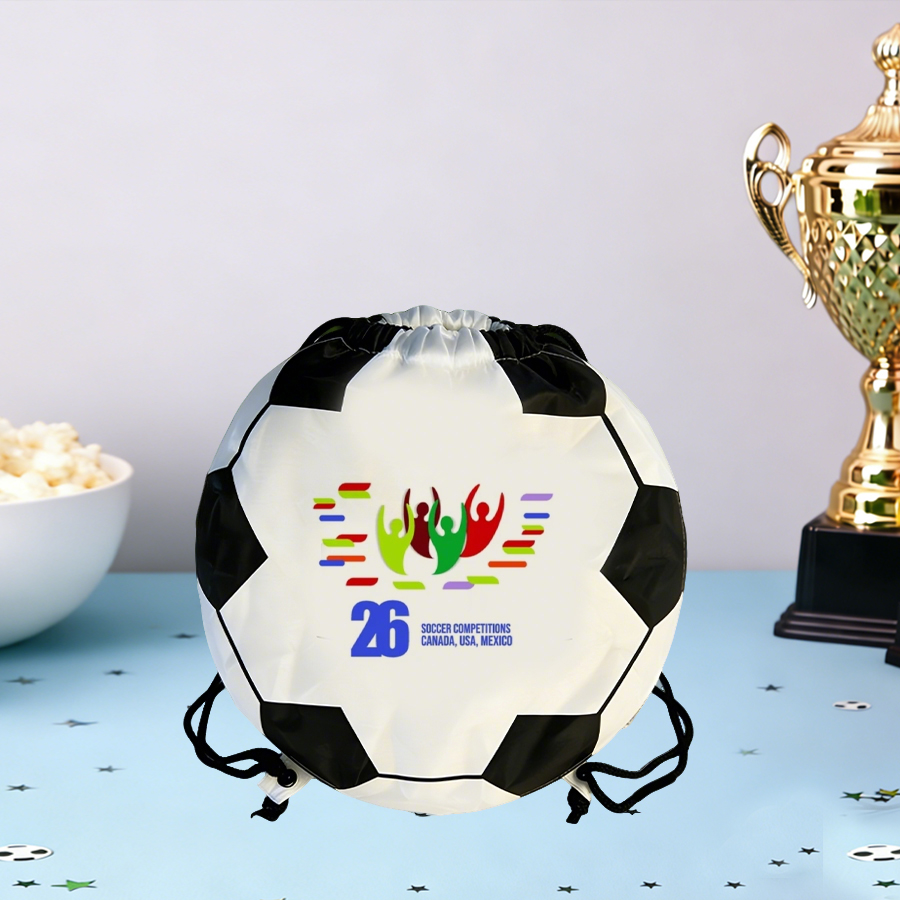
If you are running a fitness brand, planning a sports marketing campaign, or sourcing merchandise for a gym chain, understanding why users love a drawstring bag for their workouts is a massive branding shortcut. While regular school backpacks are bulky, a high-quality drawstring cinch pack is the ultimate gym companion for several practical reasons.
Instant Sweat and Odor Ventilation: Let’s face it—nobody wants to trap soaking wet gym clothes or stinky running shoes inside a thick, heavily padded nylon backpack. Regular backpacks act like an oven, trapping moisture and bacteria. A lightweight drawstring bag allows damp activewear to breathe, preventing that dreaded mildew smell before users get home.
The “Drop and Go” Flexibility: When someone hits the gym floor, they want to grab their water bottle, sweat towel, and lifting straps instantly. Padded backpacks have endless hidden pockets and complex zippers that slow you down. A drawstring pack opens wide in literally one second with a single yank, making it effortless to grab gear between workout sets.
Featherlight Tracking: Gym gear like weightlifting belts and sneakers are already heavy enough. Standard heavy-duty backpacks add an extra 1 to 2 kg of dead weight before you even put anything inside them. A smart drawstring bag offers a zero-gravity feel, meaning your clients only carry the weight of their actual fitness gear.
Flawless Locker Fit: Gym lockers are notoriously narrow and cramped. Shoving a rigid, structured corporate laptop backpack into a tiny metal locker is a daily struggle that scratches fabric and breaks zippers. A flexible drawstring pack crushes down effortlessly, molding to fit any tight space without ruining the bag.
Context is everything. While understanding performance is key, your final decision often comes down to the specific business goals you’re trying to achieve. If you’re still weighing the overall strategic fit, you might want to dive into our companion guide on Drawstring Bag vs. Backpack: Which is Better for Your Business? for a broader industry perspective.
Once you have your strategy in place, here is how to match the bag to your specific event:
The Trade Show or Marathon: Go with the drawstring. Attendees are already carrying enough “stuff.” They need something light that they can toss extra brochures or a finisher’s shirt into without feeling weighed down.
The Corporate Gift or Onboarding: Go with the backpack. If you are welcoming a new employee, a structured backpack feels like a “gift,” whereas a drawstring feels like a “giveaway.”
The Retail Packaging: If you are a non woven bag supplier china, you know that a drawstring bag can serve as premium packaging for shoes or luxury apparel. It adds a layer of “unboxing” excitement that a standard plastic bag can’t match.
The Outdoor Adventure: For hiking or travel, the backpack’s security (zippers and rain flaps) is non-negotiable.
Quick Performance Matrix
| Functie | Drawstring Bag | Backpack |
| Common Material | 210d Polyester / Non-Woven | 600D Polyester / Nylon |
| Max Load | Light to Medium (5-8kg) | Heavy Duty (15kg+) |
| Portability | Excellent (Folds Flat) | Low (Bulky) |
| Branding Area | Large & Flat (High Visibility) | Segmented (Hidden by Seams) |
| Typical Lifespan | 6–18 Months (High Frequency) | 2–5 Years (Daily Use) |
Is a drawstring bag vs backpack more cost-effective for large-scale giveaways?
Drawstring bags are significantly cheaper, allowing for much larger distribution volumes within a fixed budget.
How does the material choice affect weight capacity?
Thicker materials like 210D polyester provide much higher tear resistance compared to light non-woven fabrics.
Which bag type offers better water resistance for outdoor performance?
Backpacks usually offer better protection because zippers and flaps seal the interior more effectively than cinch-top openings.
Can a 210d polyester drawstring bag be washed and reused?
Yes. Polyester is highly durable and machine-washable, ensuring your branded bag stays clean and in use for years.
There is no “wrong” choice, only the “right” choice for your specific goal. If you need mass reach and light utility, the drawstring bag is your champion. If you want to offer a premium tool, the backpack is worth the spend. Ready to start? Neem contact met ons op for a sample kit today!