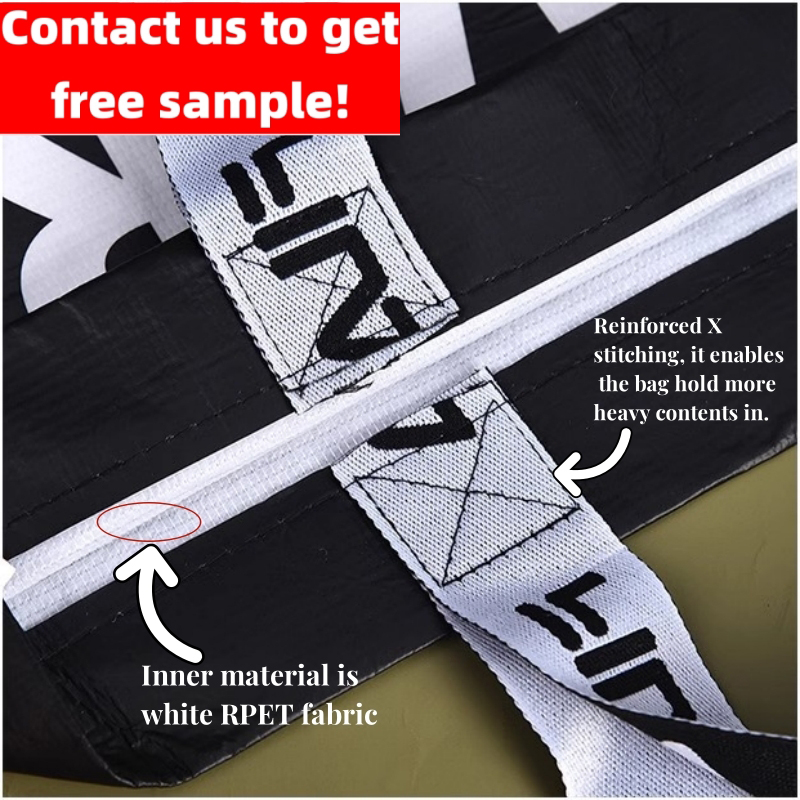





Keeping things cold is serious business. Whether you are delivering fresh meals or planning a massive corporate event, the insulated bag vs. cooler bag debate always pops up. Both keep the heat away, but they do it very differently. Let’s look at which one keeps your products fresh and your business reputation even cooler.
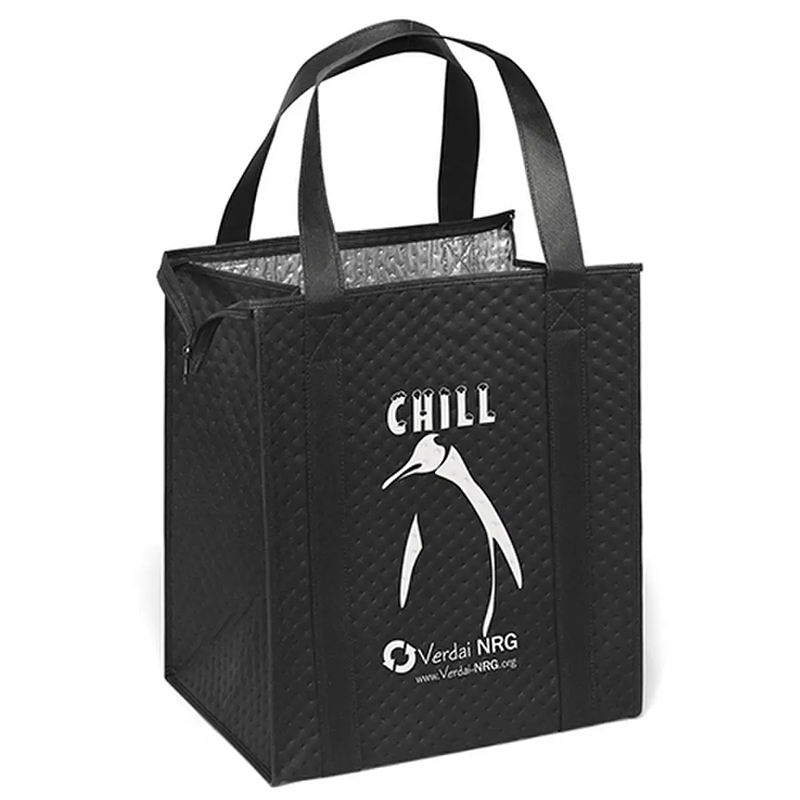
To pick the winner, you first need to know the players. These aren’t just “bags with foil inside”; they are engineered tools for temperature control.
The Insulated Bag (The Lightweight Sprinter): Imagine a standard shopping tote that decided to go to the gym. It’s usually made of non-woven fabric, R-PET, or polyester. Inside, it has a thin layer of foam and a shiny metallic liner. It’s light, foldable, and perfect for “point A to point B” trips, like carrying a chilled drink from the store to your fridge.
The Cooler Bag (The Heavy-Duty Marathoner): This is the “pro” version. It’s built with much thicker insulation and often features a tough, rubbery inner liner (like PEVA). It’s designed to be a portable fridge. If your business needs something to sit in a hot delivery van for four hours and still keep the salad crisp, this is the one.
The Bottom Line: Think of the insulated bag as your cost-effective marketing powerhouse for daily convenience, while the cooler bag is a high-performance thermal vault built for serious protection and long-haul cooling.
When you put a cooler vs. insulated bag side by side, the real battle happens beneath the surface; one is built for a quick dash, while the other is engineered for a survival mission.
Waterproof vs. Water-resistant: This is the deal-breaker. Most standard insulated bags are stitched together. If you dump loose ice inside, the ice melts, the water finds the needle holes, and drip, drip, drip—you’ve got a wet car seat. A real cooler bag usually has heat-sealed seams. It acts like a bucket. You can pour ice right in, and it stays bone-dry on the outside.
How long does it stay cold: An insulated bag is a short-term hero. It buys you about 2 to 3 hours of safety. It’s perfect for food delivery apps where the bike ride is only 15 minutes. A cooler bag vs. insulated bag comparison shows that the cooler bag, thanks to its thick foam, can keep things frosty for 12 or even 24 hours if you throw in a few gel packs.
Storage and Space: Your business might have a small warehouse. Insulated bags are great because they fold flat—you can stack 100 of them in a small box. Cooler bags are “stiffer.” They have a permanent shape. They take up more room on your shelf, but they also protect the food inside from getting squashed.
The Price Tag: Let’s be real. If you want a cheap, high-volume giveaway for a trade show, the insulated bag is the king of ROI. The cooler bag is a premium item, usually reserved for VIP clients or professional catering staff.
| Característica | Insulated Bag | Cooler Bag |
| Primary Goal | Short-term transport | Long-term cooling |
| Lining Material | Aluminum Foil / Thin Foam | PEVA / Thick EPE Foam |
| Ice Compatibility | Not recommended (may leak) | 100% Leak-proof & Ice-ready |
| Portability | Ultra-light & Foldable | Substantial & Structured |
| Best Use Case | Grocery shopping / Lunch | Camping / Professional Delivery |
The “magic” of a cooler bag vs. insulated bag isn’t a mystery; it’s about the layers.
The Foam “Muscle”: Standard bags use a 1mm to 2mm layer of foam. It’s okay for a quick lunch. But a professional cooler bag uses 5mm to 8mm of high-density foam. It’s like the difference between wearing a windbreaker and a heavy winter coat. The thicker the foam, the more heat it bounces back.
The Interior Armor: A basic silver foil liner is fine for reflecting heat, but it’s thin. Many cooler bags upgrade to PEVA. This material is smooth, thick, and very easy to clean. If a yogurt container explodes inside, you don’t have to panic. You just wipe it dry with a cloth, and it’s like it never happened.
The Outer Shield (OPP Film): When cold things are inside, the outside of a bag can get “sweaty” because of condensation. If your bag has a laminated eco bag finish, that moisture can’t soak into the fabric. The OPP film acts as a barrier, ensuring the bag stays crisp and the colors of your logo stay bright, even on a humid day.
Don’t just buy the cheapest option. Think about the “Journey” your product takes once it leaves your hands.
You run a grocery or meal prep service: The customer is going straight home. They just need the food to stay safe for a 30-minute drive. Using a dedicated Bolsa de entrega para llevar comida aislada ensures that meals arrive at the right temperature, making these lightweight, foldable totes the most practical and cost-effective delivery solution.
You need a “Walking Billboard”: These bags are used for weekly grocery shopping, ensuring your logo gets high-frequency visibility at supermarkets and local hubs, turning every customer into a mobile advertisement for your business.
You want maximum branding space: These bags are often smooth and flat, making them the perfect canvas for a personalised brand logo using high-definition, full-color printing that wraps around the entire surface for a premium look.
You are in the outdoor or sports industry: If your customers are heading to the beach, a game, or a construction site, they need a rugged heavy-duty construction that can withstand rough handling while keeping drinks ice-cold.
You are shipping sensitive items: When handling seafood, dairy, or medical supplies, you cannot risk the temperature rising. The extra-thick foam and leak-proof lining provide the “thermal vault” security needed for high-stakes transport.
You want to scream “Premium”: Handing a client a thick, structured cooler bag feels like a genuine gift. Its durability ensures it’s a “keeper” that will be used for years, building long-term brand loyalty and trust.
Can an insulated bag hold loose ice?
Generally, no. The seams are stitched, so as the ice melts, water will leak out through the holes.
Which is better for hot food delivery?
Both work, but an insulated bag is often enough to keep pizza or pasta warm for a short trip.
Is “RPET” a good choice for these bags?
Yes! A Laminated Double Handled RPET ECO bag is eco-friendly and very strong for both types.
How do I clean a leaked sauce inside?
Since most have a smooth liner, just use soapy water and wipe it dry to keep it fresh.
Do I always need a zipper?
For temperature control, yes. A zipper seals the “envelope” and stops the cold air from escaping your bag.
Picking between an insulated bag vs. cooler bag is all about the “Time and Temperature” math. If you need a light, affordable grocery companion, go insulated. If you need a rugged, ice-ready powerhouse for long days, go for the cooler. At Zhongjin, we turn these everyday tools into your best marketing assets. Contáctenos for a custom sample today!