






You need supermarket packaging that balances cost, durability, and customer convenience. Non-woven bags have become a practical choice for high-traffic retail environments. When you understand the key design factors behind these bags, you can select options that improve shopper experience while strengthening brand visibility and controlling long-term operational costs.
You rely on supermarket bags to handle frequent, heavy grocery loads. Well-designed 부직포 가방 use optimized GSM thickness and reinforced stitching to prevent tearing. This ensures reliable performance during daily shopping trips, even when customers carry bottles, canned goods, or bulk items.
You improve usability by choosing the right handle length and attachment method. Loop handles and reinforced cut handles distribute weight evenly, reducing hand strain. For supermarkets, comfortable handles encourage repeat use, which increases brand exposure beyond the store.
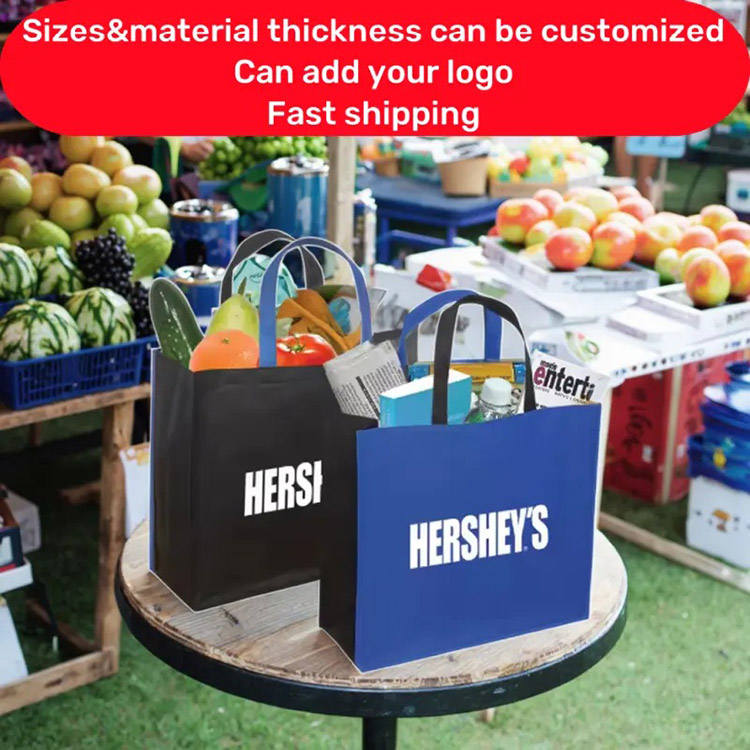
You must match bag dimensions to typical shopping baskets and carts. Non-woven bags with flat bottoms and boxed sides stand upright easily at checkout. This design speeds up packing and improves cashier efficiency, especially during peak shopping hours.
You want your branding to stay visible after repeated use. High-quality printing on 부직포 가방 ensures logos remain clear despite frequent handling. Large, flat surfaces allow bold designs that reinforce your supermarket identity every time customers reuse the bag.
You benefit from non-woven materials because they keep unit costs low at scale. Compared with woven or canvas alternatives, non-woven bags offer an ideal balance between durability and affordability, making them suitable for mass supermarket distribution without sacrificing quality.
You save valuable storage space by choosing bags that stack flat. Lightweight 부직포 가방 reduce transportation costs and simplify warehouse management, which is critical for multi-location supermarket chains.
You choose supermarket bags not just for carrying groceries, but for operational efficiency and branding impact. Non-woven bags meet these needs through smart design, durability, and cost efficiency. When you work with 중진포장, you gain access to customized non-woven bag solutions tailored for supermarket environments, helping your retail operations stay efficient and competitive.
What GSM is best for supermarket non-woven bags?
You typically benefit from 80–120 GSM, which balances strength and cost for frequent grocery use.
Are non-woven bags suitable for refrigerated items?
You can safely use them for short-term transport of chilled goods, though insulated bags are better for frozen products.
How long do supermarket non-woven bags last?
You can expect them to handle dozens of shopping trips with proper stitching and material quality.
Can non-woven bags support custom branding for chains?
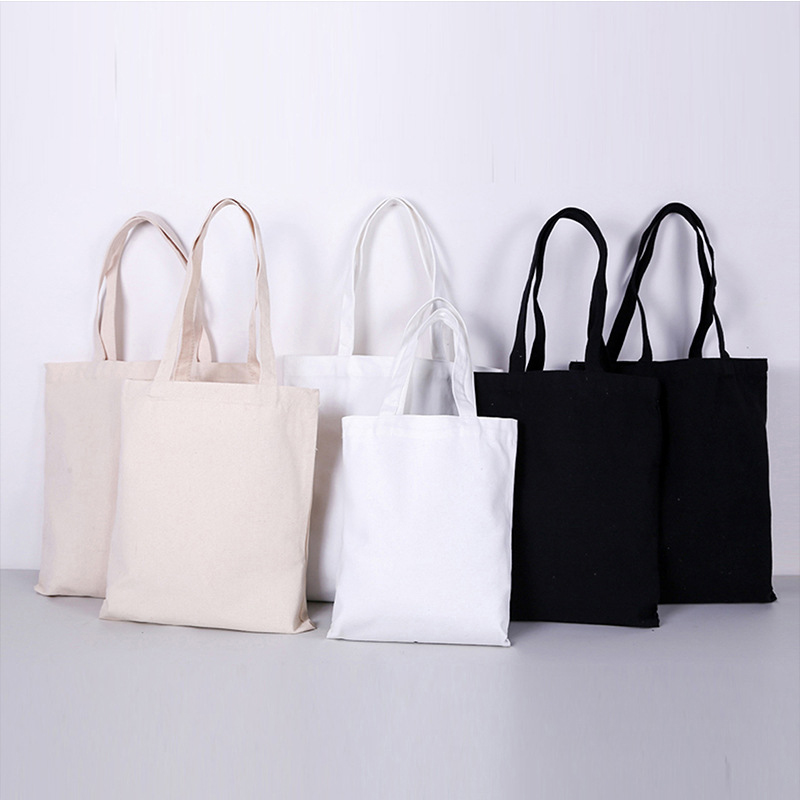
You can easily customize size, color, and printing to maintain consistent branding across all store locations.